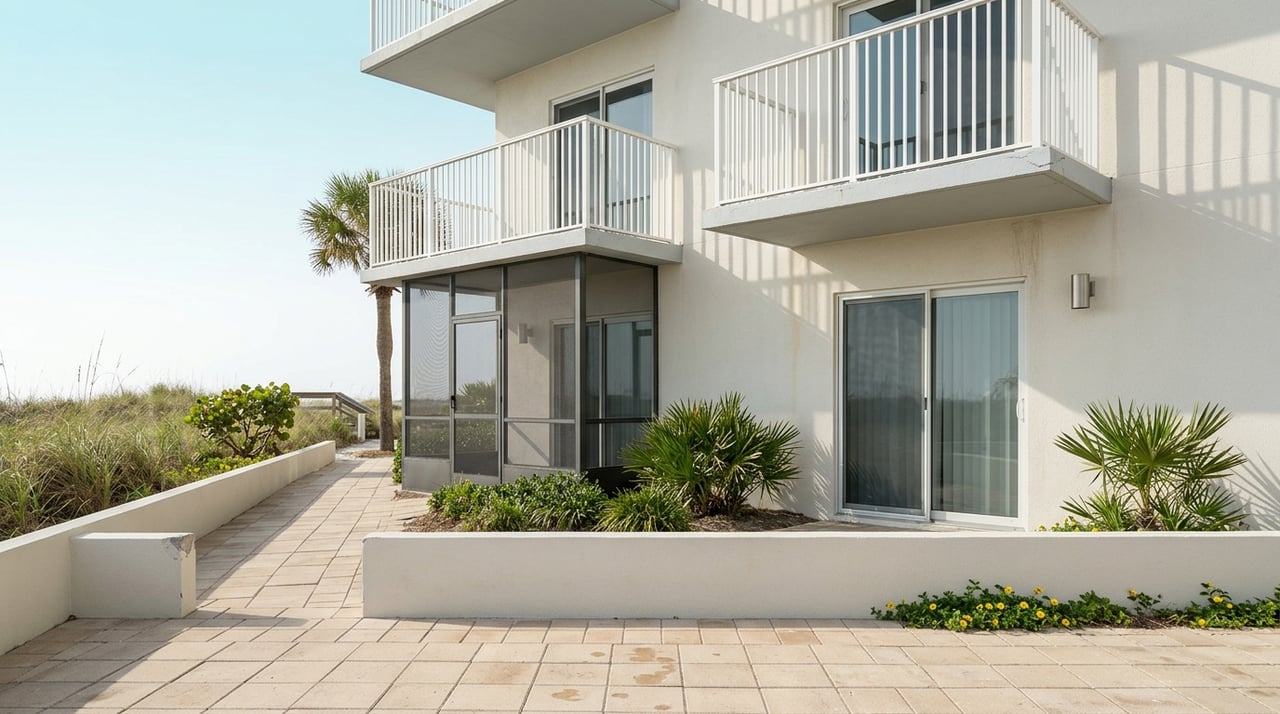
Dreaming about waking up to ocean views in Vero Beach? Oceanfront condo living can offer the easy, lock-and-leave lifestyle many buyers want, but it also comes with rules, shared costs, and building-level due diligence that you do not want to overlook. If you are considering a full-time residence, a seasonal escape, or a winter home, this guide will help you understand how Vero Beach’s oceanfront condo market works and what to review before you buy. Let’s dive in.
Why Vero Beach Condo Living Stands Out
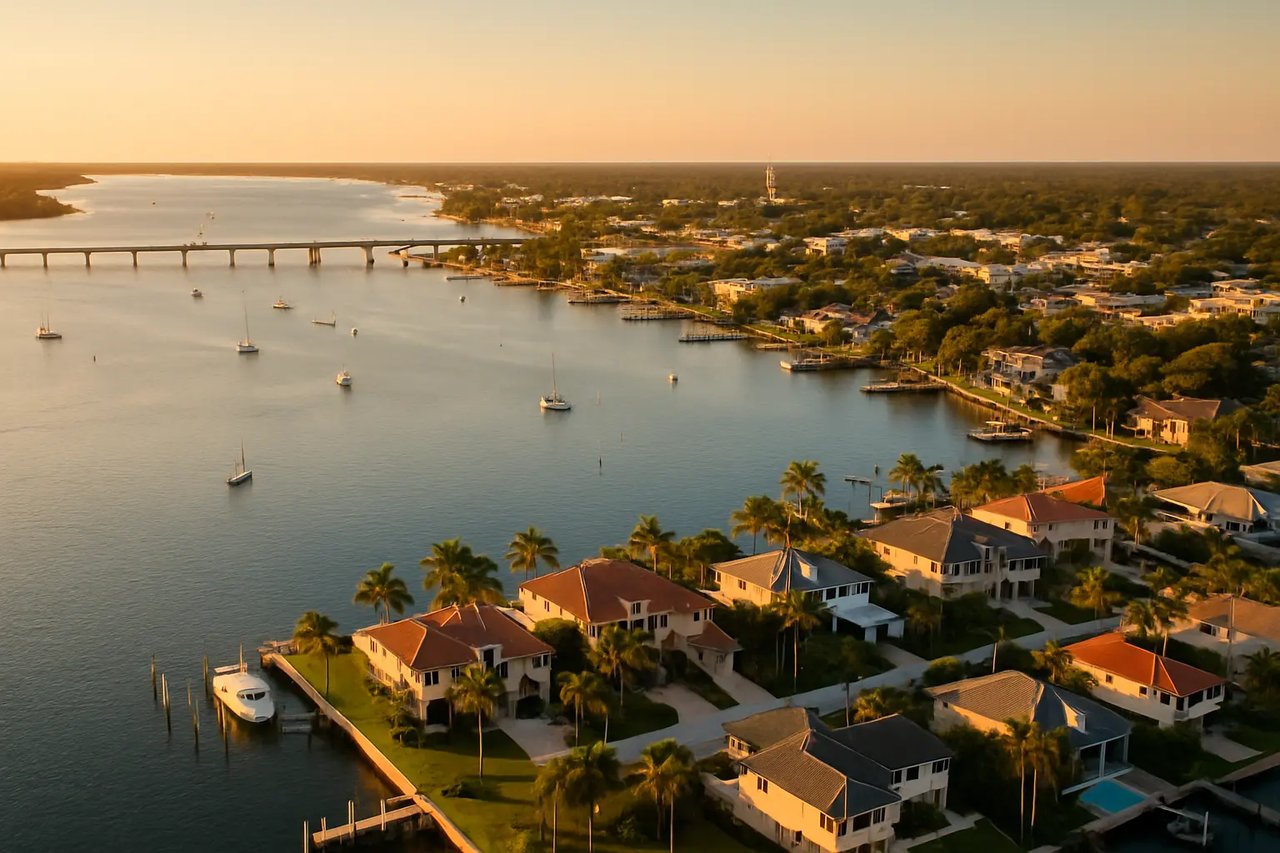
Vero Beach has a distinct oceanfront setting. According to the City of Vero Beach’s comprehensive plan, the city’s Atlantic shoreline spans 3.9 miles, and the beachfront is lined with a higher-density corridor of hotels, condominiums, and tourist-oriented uses, with lower-density residential areas set farther west or in between (City of Vero Beach comprehensive plan).
That layout matters when you shop for a condo. In Vero Beach, oceanfront condo living is tied closely to the shoreline itself, so location, building style, and association structure often shape your day-to-day experience just as much as the unit interior.
Many of these condos are also used as seasonal residences or winter homes. That makes the market especially appealing if you want a coastal property with a more manageable ownership setup than a standalone waterfront house.
Where Oceanfront Condos Are Located
When people talk about Vero Beach oceanfront condos, they are usually referring to buildings along a few well-known beachfront corridors. Indian River County condo records show many oceanfront addresses clustered along:
- Beach Road
- Ocean Road
- Ocean Drive
- A1A
Examples in the county inventory include addresses like 1000 Beach Road, 400 Beach Road, 200 to 400 Ocean Road, 1727 A1A, and 3402-26 Ocean Drive (Indian River County condo inventory).
If you are starting your search from out of town, these road names are a helpful shorthand. They give you a practical way to narrow your search and compare buildings based on beach access, building age, and proximity to local amenities.
How Condo Ownership Works
Oceanfront condo ownership is different from owning a single-family coastal home. Instead of maintaining a private lot and handling exterior work on your own, you share responsibility through a condominium association that manages the property’s common elements and building-level upkeep.
Under Florida condominium law, the association is responsible for maintenance, repair, and replacement of the condominium property it is obligated to maintain, except where limited common elements are assigned differently in the governing documents.
For you, the tradeoff is usually straightforward. You may gain a lower-maintenance lifestyle with less exterior work, but you also agree to shared costs, association oversight, and rules that apply to owners, tenants, and guests.
What Rules Buyers Should Expect
Condo communities are document-driven. Florida law says owners, tenants, and invitees must comply with the condominium statute, the declaration, the bylaws, and the association’s governing documents, and those provisions are incorporated into leases (Florida Statute 718.113).
That means your lifestyle may be shaped by rules covering things like:
- Use of common amenities
- Move-in and move-out procedures
- Leasing and tenant approval
- Occupancy standards
- Pet policies
- Parking and storage
Before you buy, it is important to understand not just the unit, but the building culture created by those documents.
Documents To Review Before Closing
One of the smartest things you can do as a buyer is review the association records early. Florida’s records and resale disclosure requirements identify key materials associations must keep and provide, including governing documents and major contracts (Florida Statute 718.111).
Ask for these items during your due diligence:
- Declaration of condominium
- Bylaws
- Current rules and regulations
- Current budget
- Accounting records
- Insurance policies
- Management agreement
- Latest inspection materials
- Reserve study materials
These records can tell you a lot about the health of the association. They can also help you spot issues that may affect monthly costs, future assessments, or your ability to use the unit the way you intend.
Why Inspections And Reserves Matter
If you are looking at an older oceanfront building, inspection status should be one of your first questions. Florida’s post-Surfside condo rules require a structural integrity reserve study, also called a SIRS, at least every 10 years for residential condo buildings that are three habitable stories or higher. The study must address major components like the roof, structure, fireproofing and fire protection, plumbing, electrical systems, waterproofing and exterior painting, and windows and exterior doors (Florida Statute 718.112).
Indian River County also states that milestone inspections apply to condominium and cooperative buildings that are three stories or more once they reach 30 years of age, and then every 10 years after that. For buyers, this means a building’s age and inspection history can directly affect repair planning and potential assessments.
Florida law also requires specific contract disclosures related to milestone inspections and reserve studies. If a required study or inspection has been completed, the buyer must receive the summary or study at least 15 days before signing, and if it has not been completed, that must be disclosed conspicuously in the contract (Florida Statute 718.503).
Questions To Ask About Building Condition
When you are comparing Vero Beach oceanfront condos, ask direct questions such as:
- How old is the building?
- Is the building three habitable stories or higher?
- Has the structural integrity reserve study been completed?
- Has a milestone inspection been required or completed?
- Are there recommended repairs underway?
- Are reserve funds in place for major components?
- Have there been recent or pending special assessments?
These questions can help you move past the view and get to the real ownership picture.
Understand Condo Insurance Basics
Insurance is another area where oceanfront condo buyers should slow down and ask for details. According to the Florida homeowners insurance consumer guide, an HO-6 condominium policy typically covers your personal property, liability, and certain building items not insured by the association’s master policy.
Florida law also requires at least $2,000 in loss-assessment coverage with a deductible no higher than $250. Just as important, the same state guidance notes that standard homeowners insurance does not include flood coverage.
For an oceanfront condo, that means you should confirm:
- What the association’s master policy covers
- What interior items you must insure yourself
- Whether separate flood-related protection is needed
- How loss-assessment coverage applies
Rental Rules Can Vary Widely
If you hope to rent out your condo seasonally, do not assume every building allows it. Florida law makes clear that leasing is governed by the declaration and association documents, and those terms are incorporated into the lease relationship (Florida Statute 718.303).
That is why rental policies can differ significantly from one building to another. Before making an offer, verify:
- Minimum lease terms
- Approval procedures
- Occupancy limits
- Whether short-term rentals are allowed
- Whether repeated seasonal rentals are permitted
If rental flexibility is part of your plan, these answers should come before negotiation, not after contract.
Lifestyle Perks Near The Beach
The appeal of Vero Beach oceanfront living is not only the condo itself. It is also about how easily you can enjoy the shoreline and nearby public spaces.
On Ocean Drive, South Beach Park offers beach access, parking, restrooms, picnic areas, and lifeguards. Jaycee Beach Park on Ocean Drive adds a long boardwalk and nearby restaurants, while the county visitor bureau describes Humiston Beach as walkable to shops, restaurants, Ocean Drive, and the Saturday farmers market.
The county also describes Vero’s beaches as uncrowded and notes their importance as sea-turtle nesting habitat. For many buyers, that combination of convenience and coastal setting is a major reason to choose a condo here over a larger property with more upkeep.
Is Oceanfront Condo Living Right For You?
Vero Beach oceanfront condos can be a strong fit if you want low-maintenance ownership, direct beach access, and a property that works well as a seasonal residence or winter home. They can also work well if you value shared amenities and a more lock-and-leave lifestyle.
At the same time, the right purchase depends on careful review of the association, the building’s inspection and reserve status, insurance responsibilities, and any rental restrictions. In other words, the best condo is not just the one with the best view. It is the one that fits your goals and holds up under due diligence.
If you are exploring coastal condo options and want a knowledgeable, personal approach to your search, Donna Cardinale can help you evaluate properties, understand the details, and move forward with confidence.
FAQs
What makes Vero Beach oceanfront condos different from single-family coastal homes?
- Vero Beach oceanfront condos are generally association-driven, which means maintenance of common elements and many building-level responsibilities are shared through the condominium association rather than handled individually on a private lot.
What documents should buyers review for a Vero Beach oceanfront condo?
- Buyers should review the declaration, bylaws, current rules, budget, accounting records, insurance policies, management agreement, and the latest inspection and reserve materials.
What should buyers ask about inspections for a Vero Beach condo building?
- Buyers should ask whether the building is three stories or higher, whether a milestone inspection or structural integrity reserve study is required, whether those have been completed, and whether repairs or assessments may be pending.
What insurance do you need for an oceanfront condo in Florida?
- Buyers typically need to review the association’s master policy and consider an HO-6 policy for personal property, liability, and certain interior items, while also confirming required loss-assessment coverage and any flood insurance needs.
Can you rent out a Vero Beach oceanfront condo seasonally?
- Maybe, but rental terms vary by association, so you should verify minimum lease terms, approval procedures, occupancy limits, and whether short-term or repeated seasonal rentals are allowed before you buy.