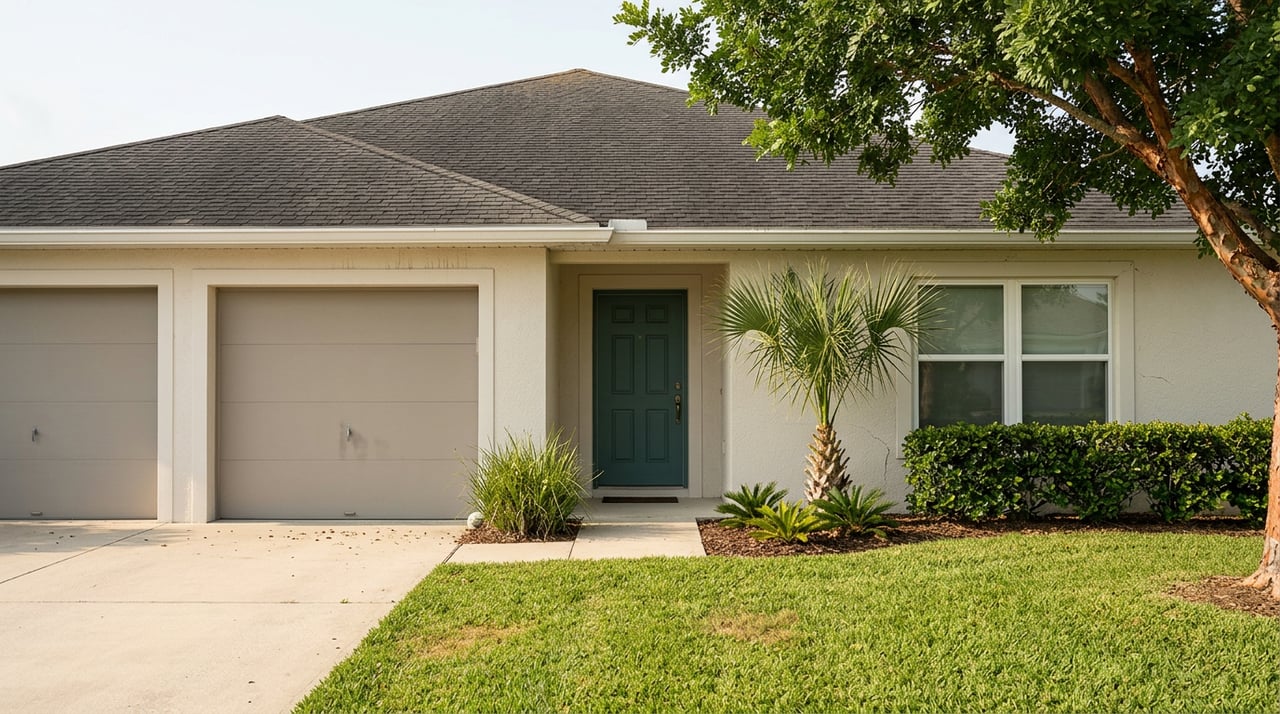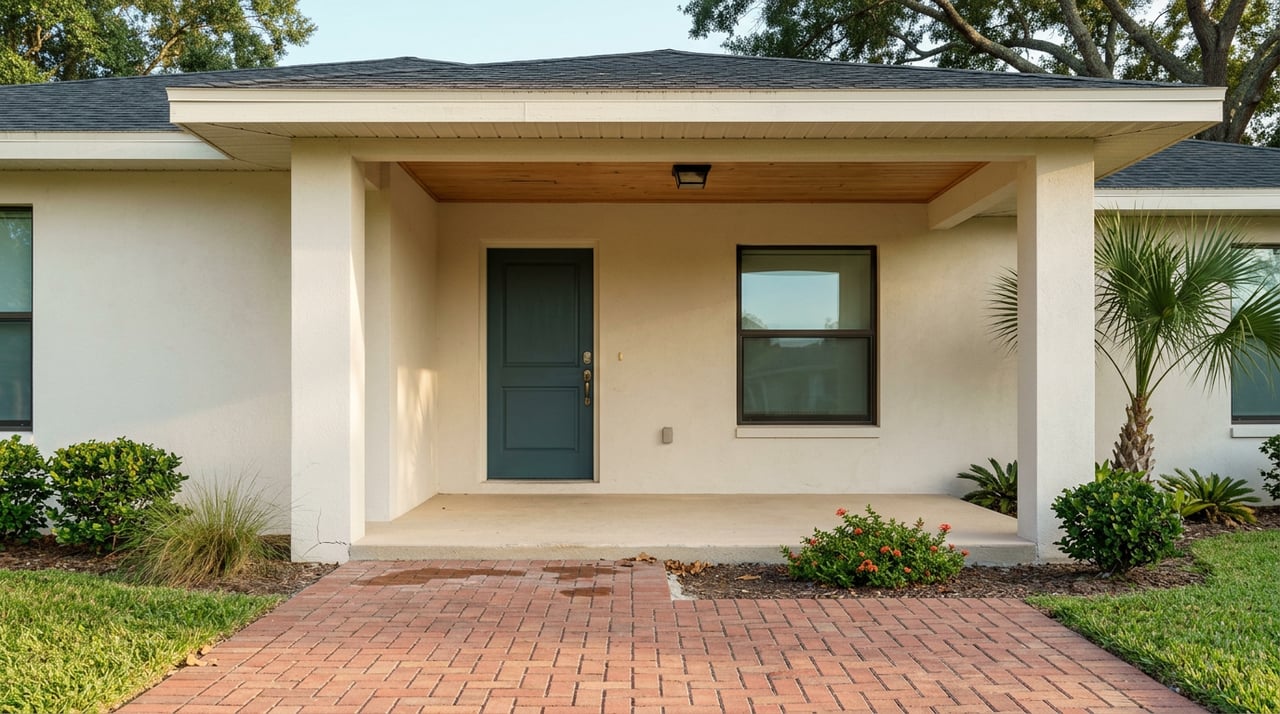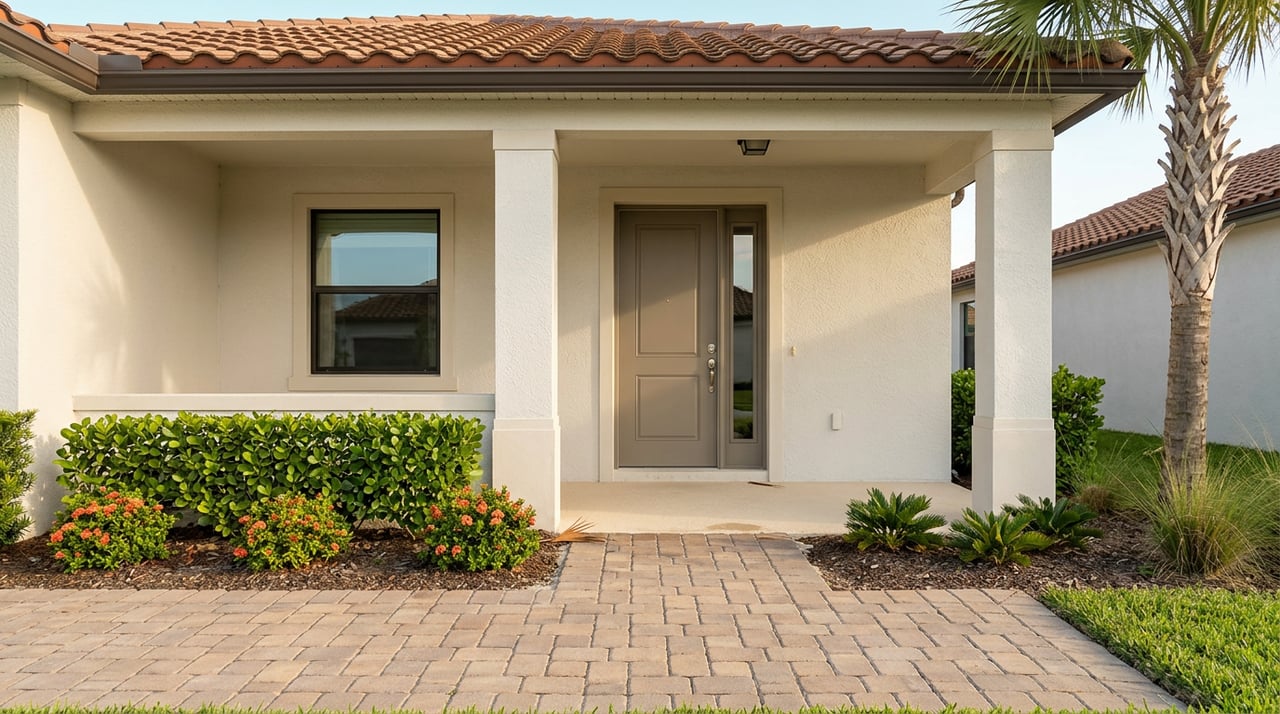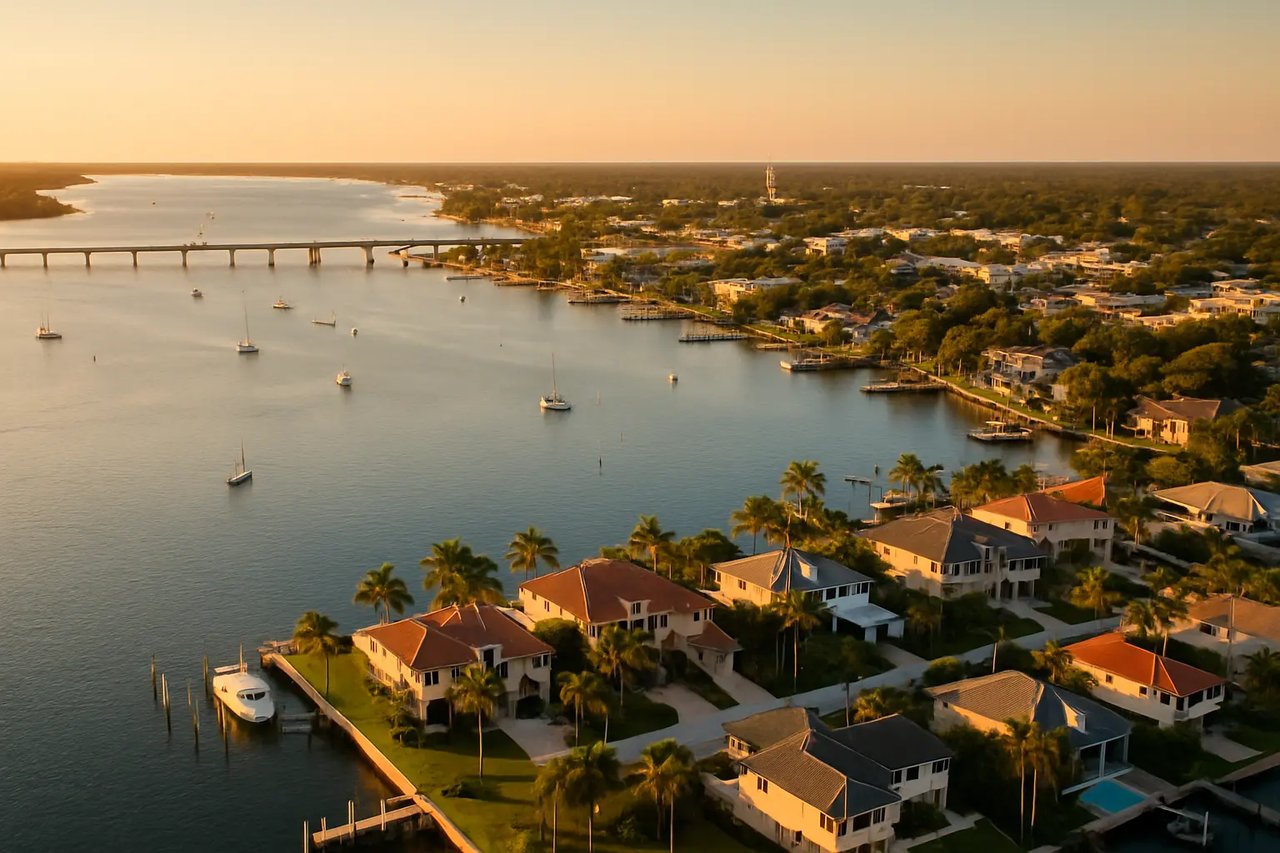
If you are thinking about retiring on Florida’s Treasure Coast, Stuart is likely on your shortlist for a reason. It offers a smaller coastal-city feel, a strong 55-plus presence, and a downtown that feels active without feeling overwhelming. If you want to know whether Stuart truly fits your budget, lifestyle, and long-term plans, this guide will help you sort through the practical details. Let’s dive in.
Why Stuart Appeals to Retirees
Stuart is a small city of 19,566 residents, and 29.1% of the population is age 65 or older. That means you will be in a community with a meaningful older-adult presence, not a place where retirement living feels like an afterthought.
Compared with nearby markets, Stuart lands in an interesting middle ground. It has a similar age profile to Vero Beach at 28.9% age 65 and older, and it is older than Port St. Lucie, where 21.8% of residents are 65 or older. For many retirees, that can translate into housing options, services, and day-to-day rhythms that feel better aligned with this stage of life.
What Retirement in Stuart Feels Like
Stuart’s official city information points to several lifestyle features that matter in retirement. The city highlights historic neighborhoods near downtown, a subtropical climate with mild winters, and an average temperature of 72 degrees.
You also get a revitalized downtown with boutique shops, restaurants, entertainment, and arts and culture. If you like the idea of being able to enjoy a compact, active center rather than depending on a larger metro area for everything, Stuart stands out.
Downtown Access Matters
One practical perk is the City of Stuart’s free TRAM service. It connects downtown, the Riverwalk, the Lyric Theatre, and East Stuart, which can be helpful if you want a more walkable lifestyle and less day-to-day driving.
That does not mean every part of Stuart is car-free, but it does make the downtown core more accessible. For many retirees, that kind of convenience adds real value to daily life.
Arts and Local Events
Stuart also has recognizable cultural anchors. These include the Stuart Heritage Museum in historic downtown and the Lyric Theatre on Flagler Avenue.
Recurring events help keep the local calendar active. Examples include the Downtown Stuart Art Festival, Market on Main, and Rock'n Riverwalk. If you want a retirement setting with local character and a steady stream of things to do, Stuart offers that in a smaller-scale environment.
Housing Costs in Stuart
Retirement planning always comes back to costs, and housing is usually the biggest piece. In Stuart, the median owner-occupied home value is $329,400, and the median gross rent is $1,586.
That puts Stuart below some nearby comparisons. Vero Beach has a median home value of $391,900, and Port St. Lucie sits at $369,200. Martin County overall is higher at $432,200.
Is Stuart the Cheapest Option?
Not necessarily. Stuart is better viewed as a market that balances coastal lifestyle, established housing, and downtown convenience rather than a race-to-the-bottom price point.
That can be appealing if you want value without moving too far from the water-oriented, historic, and walkable character that draws many retirees to the Treasure Coast. At the same time, you will still want to compare neighborhoods, property types, and monthly ownership costs carefully.
Retirement Housing Options in Stuart
One of Stuart’s strongest points for retirees is its mix of maintenance-light housing. Several age-restricted communities are part of the local conversation, including Cedar Pointe Villages, Montego Cove, and South River.
These communities generally lean toward established condo living rather than brand-new, master-planned active-adult development. For some buyers, that is a positive because resale communities can offer mature surroundings and a more settled feel.
What You Can Expect in 55+ Options
The examples cited in Stuart tend to center on low-maintenance condo lifestyles. Montego Cove is described as a 55-plus condominium community with clubhouse amenities, pools, and social activities.
Cedar Pointe is noted for proximity to daily needs and health care. South River is another Stuart 55-plus condo community with convenient access to groceries, parks, golf, and health care.
Stuart vs Nearby Retirement Markets
If you want more new-construction variety, Port St. Lucie may offer a broader mix. Nearby options there range from older condo communities to newer gated active-adult neighborhoods.
If you are drawn more to a beach-and-arts identity, Vero Beach may feel like a better fit. Stuart, by comparison, is often strongest for buyers who want a smaller city and maintenance-light living with a practical everyday feel.
Health Care Access for Aging in Place
For many retirees, health care access is one of the biggest deciding factors. Stuart performs well here because it has two Cleveland Clinic hospitals in the city itself: Martin North Hospital and Martin South Hospital.
Cleveland Clinic describes Martin Health as offering preventive, primary, and acute hospital care along with a full array of specialty services. The physician network represents 71 medical specialties and subspecialties, and both Stuart campuses list 24/7 emergency services.
Regional Care Adds Flexibility
The broader regional network adds another layer of support. Cleveland Clinic Tradition Hospital in Port St. Lucie is also a 24/7 full-service hospital campus.
That matters if you are thinking long term. Many retirees want a place where routine care, specialty care, and emergency care can be accessed without depending on a distant major metro, and Stuart offers a meaningful level of local support.
Taxes and Ownership Costs to Know
Florida remains attractive to many retirees because the state does not have an individual income tax. That is one of the clearest financial advantages for people relocating from higher-tax states.
You should still look at the full ownership picture, though. Martin County’s total state and local sales and use tax rate drops to 6.5% on January 1, 2026, while nearby St. Lucie and Indian River counties are at a combined 7%.
Homestead Exemption Basics
If you buy in Stuart and make the property your permanent residence as of January 1, you may qualify for homestead exemption in Martin County. Applications are due by March 1.
The Martin County Property Appraiser also notes that Save Our Homes portability can transfer accumulated tax savings to a new Florida homestead. For retirees moving within Florida, that can be especially important to review early in the planning process.
Budget Beyond the Purchase Price
Even in a tax-friendly state, retirement budgeting should go beyond the sale price alone. Property taxes, sales tax, and any HOA or condo fees can all affect your monthly comfort level.
That is especially true in condo-focused retirement searches, where low-maintenance living can come with monthly association costs. The key is to compare the full picture, not just the asking price.
Who Is Stuart Best For?
Stuart tends to be a strong fit if you want a smaller coastal city with an established feel, a sizable retirement-age population, and practical access to health care and everyday amenities. It can also work well if you prefer condos or other lower-maintenance housing over large-lot suburban living.
It may be a particularly good match if your ideal retirement includes a historic downtown, local arts and events, and a setting that feels active but not oversized. The free TRAM, downtown access, and hospital network all support that kind of lifestyle.
When Another Market Might Fit Better
Stuart may be less ideal if your top priority is brand-new active-adult construction with many newer master-planned options. In that case, Port St. Lucie may deserve a closer look.
If your retirement vision centers more heavily on a beach-and-arts identity, Vero Beach may be worth comparing as well. The right answer depends on whether you value compact city character, newer housing variety, or a different cultural setting.
A Practical Way to Decide
The best way to judge Stuart is to line up your real priorities. Think about how often you want to drive, whether you want a condo or a single-family home, how important hospital access is, and how much activity you want near home.
It also helps to compare Stuart with one or two nearby markets instead of evaluating it in isolation. For many buyers, the decision becomes clearer once they see how Stuart’s housing stock, downtown layout, and retirement lifestyle differ from Port St. Lucie or Vero Beach.
If you are weighing a move to Stuart, having local guidance can make the process much easier. A neighborhood-by-neighborhood view of pricing, condo options, and day-to-day lifestyle can help you focus on the places that truly match your retirement goals. When you are ready to explore Stuart with a local expert, connect with Donna Cardinale.
FAQs
Is Stuart, Florida a good place to retire for people who want an active lifestyle?
- Yes. Stuart offers a revitalized downtown, arts and culture, local events, restaurants, and a free TRAM service that connects key parts of the downtown area.
Is Stuart, Florida affordable for retirees compared with nearby cities?
- Stuart’s median owner-occupied home value of $329,400 is below Vero Beach at $391,900 and Port St. Lucie at $369,200, though your total cost will still depend on taxes, insurance, and any HOA or condo fees.
Does Stuart, Florida have good health care access for retirees?
- Yes. Stuart has Cleveland Clinic Martin North Hospital and Martin South Hospital in the city, both with 24/7 emergency services, plus access to a wider regional hospital network.
Are there 55+ communities in Stuart, Florida for retirees?
- Yes. Examples in Stuart include Cedar Pointe Villages, Montego Cove, and South River, which generally lean toward established, low-maintenance condo living.
What tax benefits matter for retirees moving to Stuart, Florida?
- Florida does not have an individual income tax, and buyers who make their home a permanent residence may qualify for Martin County homestead exemption if eligibility requirements are met.
How does Stuart, Florida compare with Port St. Lucie and Vero Beach for retirement?
- Stuart offers a smaller coastal-city feel with a historic downtown and strong retirement-age presence, Port St. Lucie offers more new-construction variety, and Vero Beach leans more toward a beach-and-arts identity.