If you are dreaming about waterfront living in Stuart, the biggest question is often not whether to buy on the water, but which kind of water fits your life best. Some buyers picture a private dock, quick runs to the inlet, and sunset views over the river. Others want direct beach access, Atlantic views, and a front-row seat to sunrise. The right choice depends on how you plan to live, and understanding the trade-offs can save you time, money, and stress. Let’s dive in.
Riverfront vs Oceanfront in Stuart
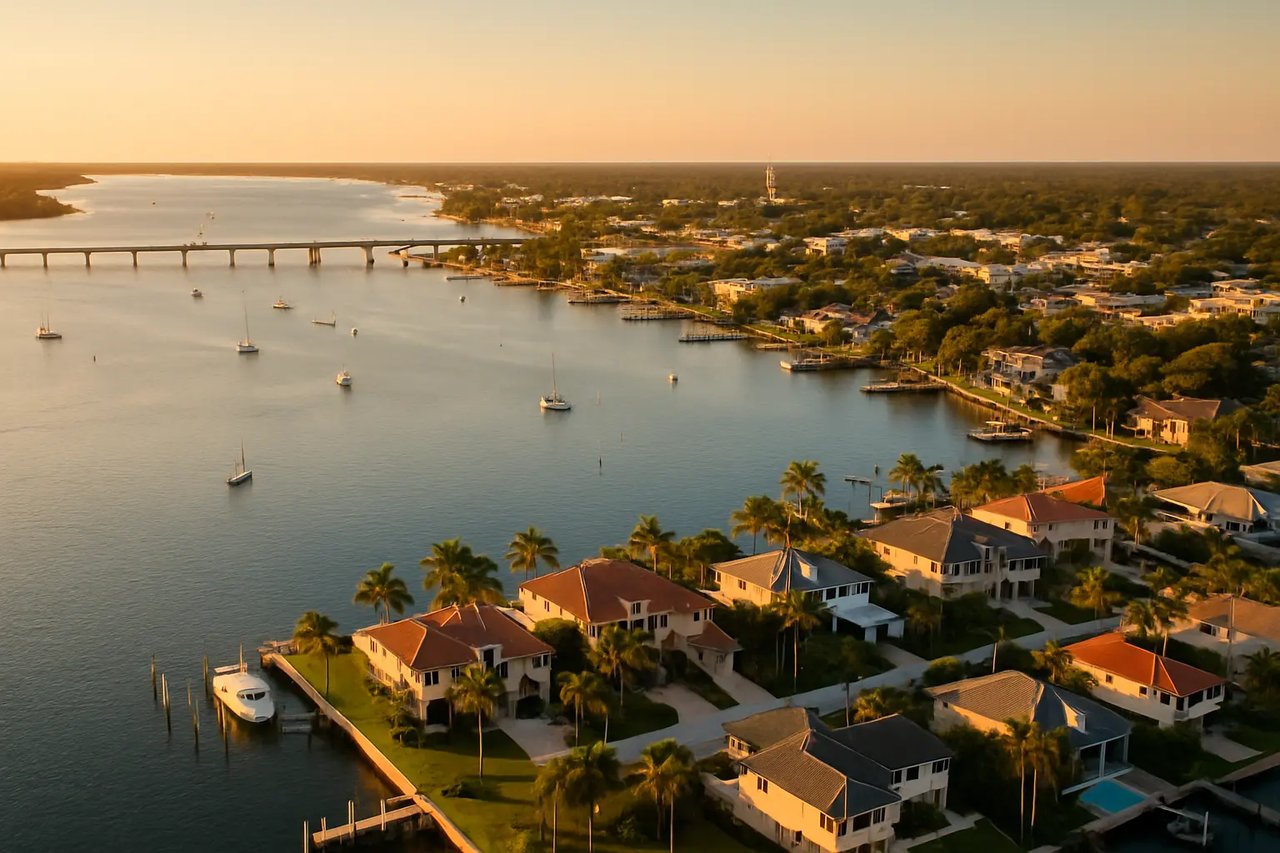
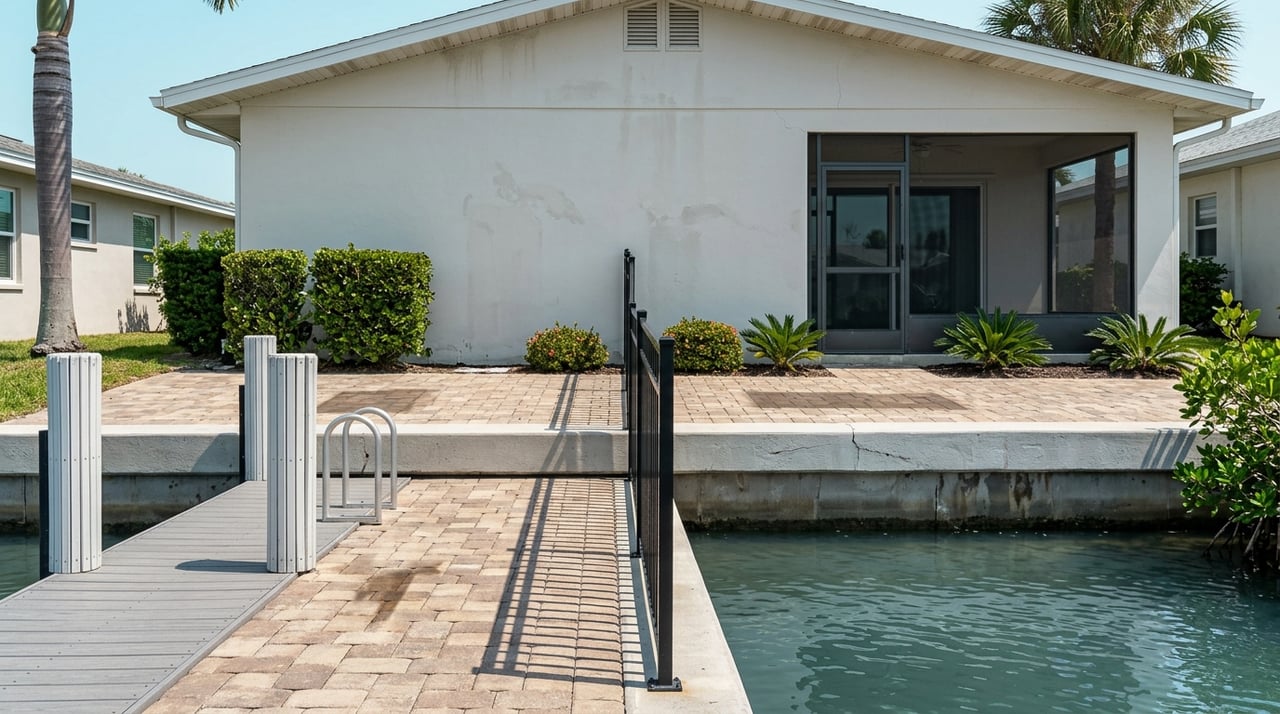
In Stuart, riverfront usually means property along the St. Lucie River or Indian River Lagoon. These homes and condos often highlight features like private docks, lifts, no fixed bridges, and ocean access. That makes riverfront living especially appealing if boating is a big part of your lifestyle.
Oceanfront usually means Atlantic-facing property on Hutchinson Island or in Sailfish Point. These homes and condos often focus on direct beach frontage, ocean views, and easy beach access. Some oceanfront properties also include dockage or marina access, but the overall lifestyle is typically centered more on the beach than on everyday boating.
Why Stuart’s Geography Matters
Stuart’s waterfront appeal is shaped by how its waterways connect. The St. Lucie Inlet links the Atlantic Ocean with the Indian River Lagoon and St. Lucie River, which gives boaters a route from inland waterfront homes to open water. Martin County notes that the inlet is wide but prone to shoaling, which can affect navigation and requires periodic dredging.
This geography creates a real lifestyle difference between the two options. If you live on the river, you may enjoy a boating-first routine with private dock access and trips through the inlet. If you live on the ocean, your day-to-day experience is more likely to revolve around the beach, shoreline views, and coastal setting.
Downtown Stuart adds another perk for river-oriented buyers. The city docks support day docking, which means you can boat into town for dining, errands, or a casual afternoon. That boat-to-town convenience is one of the more distinctive waterfront advantages in Stuart.
Price Differences to Expect
Stuart’s overall housing market sits well below most waterfront price points. Public market pages place Stuart’s broader market around the high-$300,000 range, with Zillow reporting an average home value of $378,041, Redfin showing a March 2026 median sale price of $302,500, and Zillow placing the 34996 ZIP median sale price at $430,167. Waterfront homes typically sit well above those levels.
Riverfront pricing covers a wide range. Recent examples include a riverfront condo sold for $180,000 at 175 SE St Lucie Blvd, a waterfront home listed at $1.295 million at 699 SW River Bend Cir, a riverfront estate on St. Lucie Boulevard valued around $3.38 million, and a deep-water river estate at 1735 SE Saint Lucie Blvd listed at $5.344 million.
That range matters if you want flexibility. A riverfront condo can offer a lower entry point, while larger homes with deep water, dockage, and no-fixed-bridge access quickly move into luxury territory. In practical terms, riverfront can offer more ways to enter the waterfront market depending on property type.
Oceanfront pricing also spans from condos to trophy properties. Recent examples include a direct-ocean condo sale at 2051 NE Ocean Blvd for $700,000, a sale at 1701 NE Ocean Blvd for $1.12 million, an active oceanfront condo at 2375 NE Ocean Blvd listed at $875,000, an oceanfront single-family home at 422 S Ocean Dr listed at $3.75 million, and a Sailfish Point estate at 3066 SE Dune Dr listed at $19.995 million.
The key takeaway is simple. Both riverfront and oceanfront can be expensive, but oceanfront generally carries the highest pricing ceiling, while riverfront often gives buyers more dock utility for the money based on current listing examples.
Riverfront Lifestyle Advantages
If you picture yourself using a boat often, riverfront homes usually make the strongest case. Current listings around Stuart regularly emphasize docks, lifts, no fixed bridges, and quick access to the inlet. Those features support a lifestyle built around getting on the water with less effort.
Riverfront living can also feel more versatile from a daily-use standpoint. You may have easier options for a private dock or lift, and some properties are set up specifically for deep-water boating. For buyers who want their boat close at hand rather than stored elsewhere, that can be a major deciding factor.
There is also a local recreation angle worth noting. St. Lucie Inlet Preserve State Park is accessible only by boat and offers a beach, boardwalk, and kayak trails. If being on the river is part of how you explore and enjoy the area, riverfront can open up experiences that align naturally with that lifestyle.
Oceanfront Lifestyle Advantages
If your dream is built around the beach, oceanfront is usually the clearer fit. Oceanfront homes and condos in the Stuart area often highlight direct beach frontage, sweeping Atlantic views, and sunrise exposure. For many buyers, that visual and sensory connection to the ocean is the main reason to choose this side of the market.
Martin County’s beach resources also show how accessible the public beach experience is nearby. Stuart Beach and Bathtub Beach offer guarded public access, and the county provides beach-condition tools and a beach wheelchair program at Stuart Beach. That means even buyers who are not directly on the sand can enjoy the coast, but oceanfront owners are paying for immediate access and front-row views.
Oceanfront communities and condos may also come with strong amenity packages, depending on the property. If low-maintenance living with beach access is high on your list, this side of the market may feel more aligned with your goals.
The Biggest Trade-Offs
The choice often comes down to boat utility versus beach utility. Riverfront properties are usually better for buyers who want frequent boating, private dock options, and practical access to the inlet. Oceanfront properties are usually better for buyers who want direct beach access, Atlantic views, and a coast-first lifestyle.
With oceanfront, you may give up some boating flexibility unless the property includes one of the less common dock or marina arrangements. With riverfront, you usually give up direct beachfront access, but you may gain easier boat use and more utility tied to docks, lifts, and waterfront infrastructure.
Views can also shape the decision. Riverfront homes may offer sunset-oriented water views, while oceanfront homes often focus on sunrise and open Atlantic vistas. Neither is better in the abstract. It depends on what feels more valuable to you every day.
Flood Zones and Insurance Matter
In Stuart, waterfront buying should always include careful flood and insurance review. Martin County states that every structure in the county is in a flood zone. The county also notes that special flood hazard areas include A, AE, AH, AO, and VE zones.
It is important not to confuse flood zones with evacuation zones. Martin County identifies evacuation zones separately as AB, CD, and E. A property’s flood exposure and evacuation planning are related but not the same thing.
Florida’s Office of Insurance Regulation states that flood coverage is not typically included in a standard homeowners policy and usually must be purchased separately. In high-risk areas, flood insurance can also be required as a mortgage condition. That applies not just to single-family homes, but also to condo unit owners, renters, and businesses.
Due Diligence for Waterfront Buyers
Oceanfront purchases often require the most disciplined due diligence. Before you move forward, it makes sense to verify the flood zone, ask for the elevation certificate, confirm whether the parcel is in a V zone, and request an insurance quote early in the process. Those steps can help you understand ownership costs before you are too far down the road.
Martin County adds that homes in a Special Flood Hazard Area with federally backed mortgages require flood insurance. The county also states that all new or substantially improved structures in a Special Flood Hazard Area need an elevation certificate and a lowest finished floor at least 1 foot above base flood elevation. V-zone structures require additional wave, wind, and erosion protection along with a V-zone design certificate.
Riverfront buyers should not skip these checks. If the property’s value depends heavily on features like a dock, lift, seawall, or water access, you want to understand both the home and the waterfront improvements clearly. Martin County’s flood map tool allows owners to search an address and download elevation certificates on file, and the county says it has most elevation certificates for homes built after 1991 in a Special Flood Hazard Area.
Which Waterfront Option Fits You Best?
Riverfront is usually the better match if your top priorities are boating, dockage, and practical access to the inlet. Oceanfront is usually the better match if your top priorities are beach access, direct Atlantic views, and a stronger connection to the coast itself. In Stuart, both choices can lead to luxury-level pricing, so your lifestyle goals should guide the decision as much as your budget.
The good news is that Stuart offers both experiences in a meaningful way. You are not choosing between a good option and a bad one. You are choosing between two very different versions of waterfront living.
If you want help weighing condo options, single-family homes, deep-water properties, or luxury waterfront listings in Stuart, working with a local expert can make the process far more focused. With more than three decades of Treasure Coast experience, Donna Cardinale offers the kind of neighborhood-level guidance and concierge-style support that can help you choose the waterfront lifestyle that fits you best.
FAQs
What is the difference between riverfront and oceanfront homes in Stuart?
- Riverfront homes in Stuart are typically on the St. Lucie River or Indian River Lagoon and often emphasize docks, lifts, and boating access, while oceanfront homes are typically on the Atlantic side and focus on beach access, ocean views, and coastal living.
Are riverfront homes in Stuart less expensive than oceanfront homes?
- In many cases, riverfront offers a wider range of price points, including some lower-entry condo options, while oceanfront generally has a higher top end based on current public listing examples.
Is riverfront or oceanfront better for boating in Stuart?
- Riverfront is usually the better fit for frequent boaters because many properties are marketed with features like docks, lifts, no fixed bridges, and access to the inlet.
What should buyers check before purchasing a waterfront home in Stuart?
- Buyers should verify the flood zone, review any elevation certificate on file, get insurance quotes early, and understand whether the property’s value depends on features like docks, lifts, seawalls, or direct beach frontage.
Do Stuart waterfront homes require flood insurance?
- Flood insurance is not typically included in a standard homeowners policy, and properties in Special Flood Hazard Areas with federally backed mortgages may require separate flood insurance.
Are oceanfront homes in Stuart always single-family luxury estates?
- No. Oceanfront options in Stuart include both condos and single-family homes, with current examples ranging from condo-level pricing to ultra-luxury estate listings.