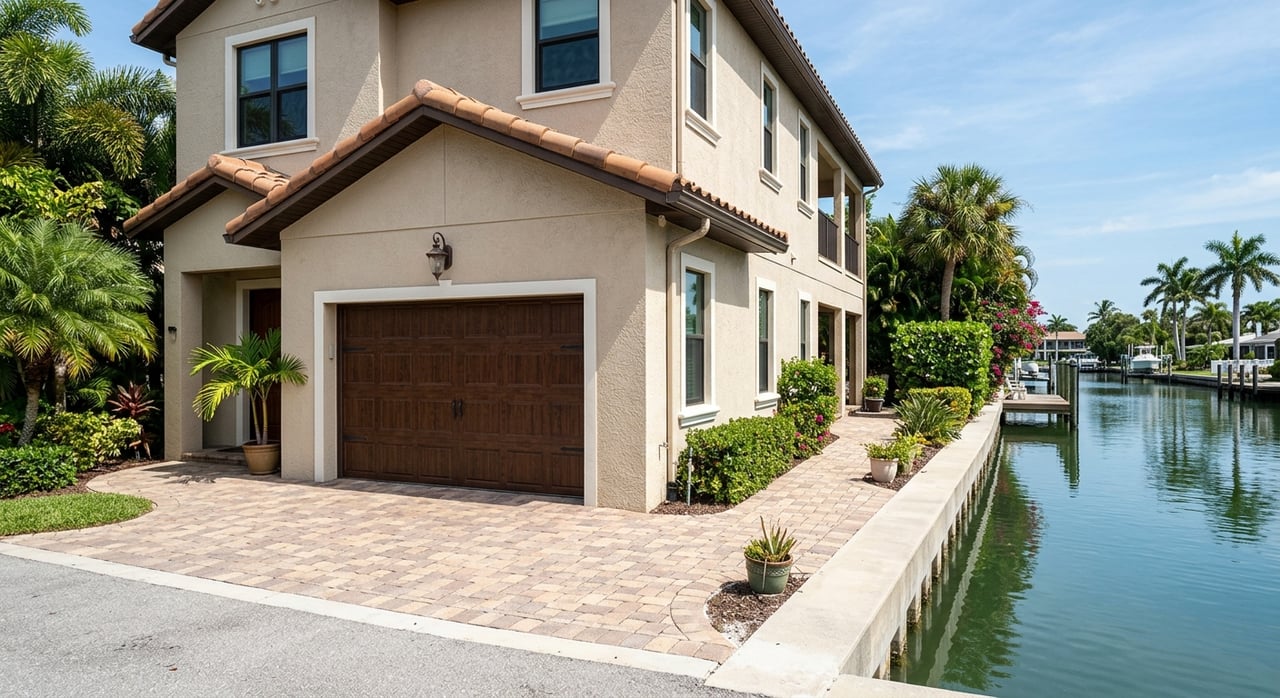
Choosing between Vero Beach Island and the mainland is not just about picking a home. It is about deciding how you want daily life to feel, what kind of housing fits your budget, and how much coastal ownership responsibility you want to take on. If you are trying to sort through the tradeoffs, this guide will help you compare lifestyle, pricing, convenience, and ownership considerations so you can narrow in on the right fit for you. Let’s dive in.
Island vs Mainland Basics
Vero Beach is split by the Indian River Lagoon. The mainland sits west of the lagoon, while the barrier island sits east of it along the ocean. Indian River County notes that countywide, three bridges connect the barrier island to the mainland, including two within Vero Beach city limits.
That geographic split shapes everyday living more than many buyers expect. On the island, beach access and bridge crossings are part of the routine. On the mainland, daily errands, inland shopping corridors, and town-centered convenience are often easier to reach.
Lifestyle Differences
Island living is beach-first
If your ideal day starts with a walk near the ocean, the island side has a clear draw. The official tourism bureau describes Vero Beach Oceanside as a barrier-island destination with 22.4 miles of beaches, boutique shopping, and eateries near the shoreline. That setting creates a more coastal, leisure-focused feel.
Public beach access is a major advantage on this side of town. Indian River County lists nine full-service beach parks and 21 beach access facilities countywide, with Vero Beach oceanfront parks including Jaycee Park, Humiston Beach Park, and South Beach Park. Areas near Humiston Park also place shops, restaurants, and Ocean Drive within walking distance.
Mainland living is errands-first
The mainland tends to support a more practical day-to-day rhythm. Downtown Vero Beach serves as a center for shops, restaurants, galleries, and live events, and the broader mainland gives you easier access to larger retail areas. Visit Indian River County highlights shopping options that include historic downtown, Indian River Mall along Route 60, and the Vero Beach Outlets farther west.
For many buyers, that means the mainland can feel simpler for routine driving, shopping, and appointments. If you want a more conventional car-based lifestyle with faster access to daily services, the mainland often checks that box.
Home Prices and Inventory
The island is a premium market
The biggest difference for many buyers is price. Realtor.com local market snapshots show 32963, the island zip code in this comparison, with a median listing price of about $1.1 million and a median price per square foot of about $518. Median days on market are about 109.
Those numbers put the island in a different pricing tier from the mainland, not just a slightly more expensive location. If you are shopping there, you are often paying a premium for coastal proximity, beach access, and a higher-end housing mix.
Mainland options are more budget-friendly
Nearby mainland zip codes show much lower median listing prices. Realtor.com reports about $293,000 in 32960, about $359,900 in 32966, about $459,550 in 32967, and about $234,800 in 32962. Price per square foot on the mainland also runs much lower, around $210 to $216 in 32960 and 32966.
That wider pricing range gives many buyers more flexibility. You may find it easier to compare condos, townhomes, resale single-family homes, and newer construction without entering the island’s premium price tier.
The housing mix is different too
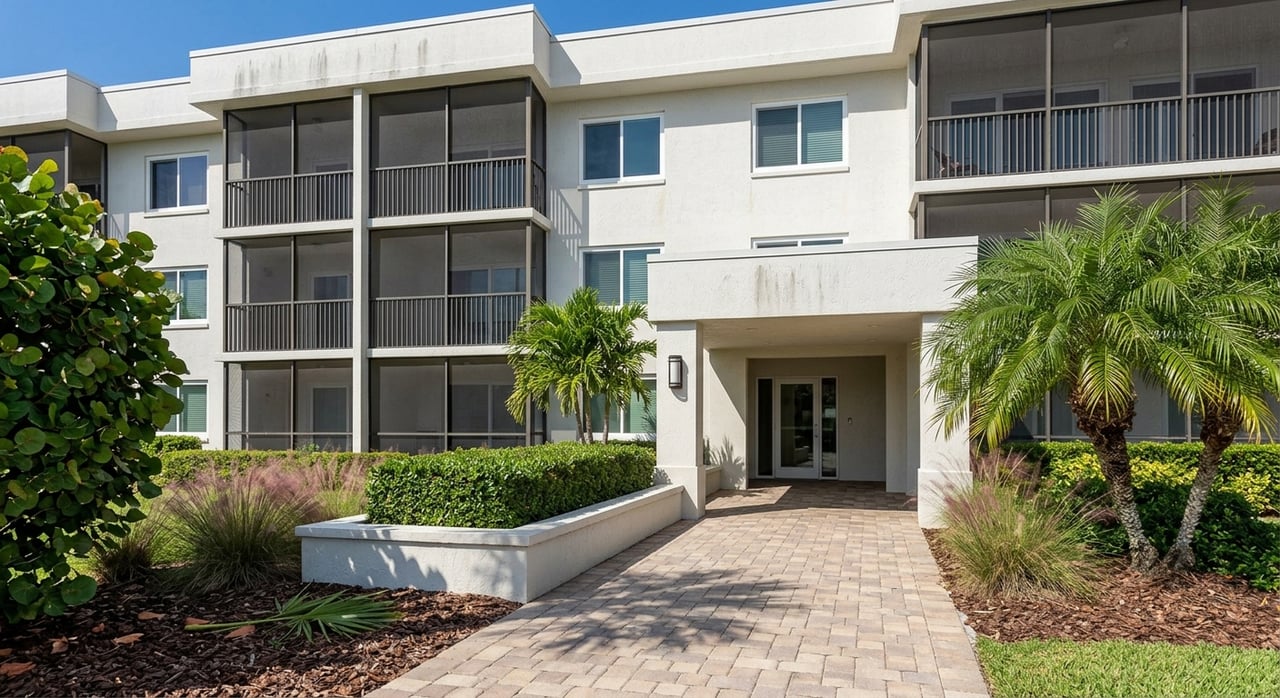
On the island, current listings show a mix of condos, coastal villas, and high-end single-family homes and estates. Realtor.com examples range from condos around $195,000 to $699,000 and homes from about $859,000 up to $45 million. In other words, there is variety, but the market leans luxury at the top.
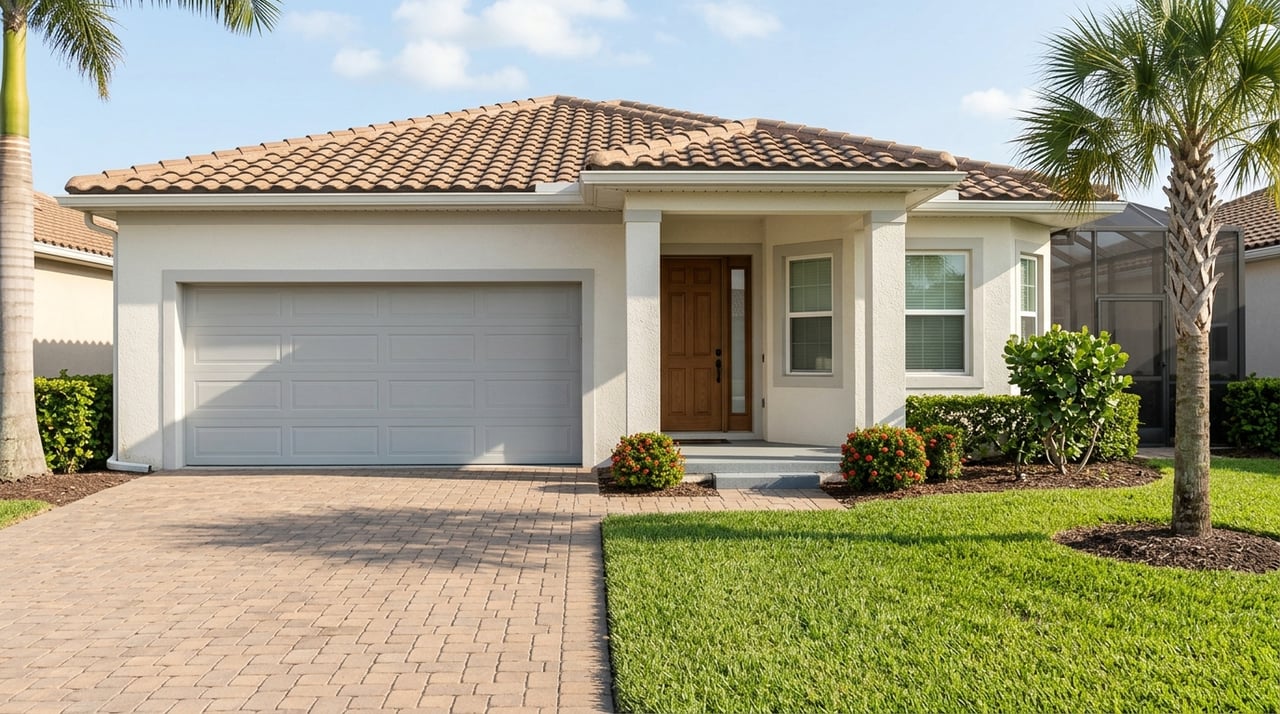
On the mainland, inventory is more conventional and value-oriented. Current 32960 listings include condos, townhomes, and single-family homes from roughly the mid-$100,000s to the mid-$300,000s, while 32966 and 32967 include newer homes and planned-community options starting higher. If you want more traditional suburban inventory, the mainland generally offers more of it.
Seasonal Use and Community Rhythm
County planning data suggest the barrier island has a more seasonal housing profile than many mainland areas. Indian River County reports vacant housing units at 45% on the North Barrier Island and 38% on the Central Barrier Island, compared with 12% in Vero Beach Southwest.
That does not mean island homes are only second homes. It does suggest a larger share of part-time or seasonal occupancy. For you as a buyer, that can affect the feel of certain areas during different times of year.
Daily Convenience and Commute Feel
Bridge crossings matter
Because the island is separated from the mainland by the lagoon, bridge travel is part of the equation. County coastal planning notes that the barrier island is connected to the mainland by three bridges countywide, including two in Vero Beach and the Wabasso Bridge farther north.
That may not be a drawback if your top priority is living near the beach. Still, it is worth thinking about how often you expect to cross the lagoon for shopping, appointments, dining, or visiting other parts of town. The answer can quickly influence which side feels more practical.
Think about your weekly routine
A simple way to compare the two is to picture your normal week. If you see yourself walking to oceanfront spots, using beach parks often, and spending more time near Ocean Drive, the island may better match your lifestyle. If you expect frequent errands, inland driving, and regular trips to larger retail corridors, the mainland may feel easier.
Ownership and Maintenance Considerations
Island homes need more coastal diligence
Owning near the shoreline usually brings added property-specific review. Indian River County’s coastal engineering division oversees beach nourishment, dune restoration, and shoreline protection work aimed at reducing storm impacts and protecting nearby properties. The county’s coastal plan also states that 70% of the shoreline is considered an area of critical erosion.
That does not mean island ownership is a bad choice. It does mean coastal property buyers should be ready to pay closer attention to site conditions, exterior upkeep, and how a specific property relates to shoreline management.
Flood-zone review should be part of due diligence
Indian River County says permits are reviewed against current FEMA flood map data, and FEMA identifies Special Flood Hazard Areas as the highest-risk flood zones. For buyers comparing island and mainland homes, reviewing flood-zone information is an important step, especially on the barrier island.
This is one of those details that can affect ownership costs and comfort level over time. The right approach is to evaluate each property on its own facts rather than assume every home on one side is the same.
Condo buyers should look closely at building age
If you are considering an island condo, building-age requirements matter. Indian River County’s Building Division says condos and residential co-op buildings that are three stories or more must complete milestone inspections once they reach 30 years of age and every 10 years after that.
That does not make older condos a poor option. It simply means buyers should be prepared for more detailed conversations around inspections, building condition, and reserves than they might expect with a typical inland single-family home.
Which Side Fits You Best?
The island often fits buyers who want beach access, a walkable oceanfront setting, seasonal use potential, and higher-end coastal housing. It can be a strong match if you are comfortable paying more for proximity to the sand and taking a closer look at flood and maintenance factors.
The mainland often fits buyers who want more inventory, lower entry points, and easier access to daily services and inland retail. It can also be a better fit if you want a broader mix of housing choices, including newer subdivisions and more conventional neighborhood patterns.
In the end, this is less about which side is better and more about which side fits your goals. A beach-first lifestyle and a value-first search can both make sense in Vero Beach. The key is comparing not only the price tag, but also the daily routine and ownership responsibilities that come with it.
If you are weighing Vero Beach island versus mainland options and want clear, local guidance, Donna Cardinale can help you compare neighborhoods, pricing, and property types with a personalized, concierge-style approach.
FAQs
What is the main difference between Vero Beach Island and mainland homes?
- The island offers a more beach-focused lifestyle with ocean access and a higher-end coastal housing mix, while the mainland usually offers lower price points, more conventional inventory, and easier access to shopping and daily services.
Are Vero Beach Island homes more expensive than mainland homes?
- Yes. Realtor.com market snapshots show the island zip code 32963 at about a $1.1 million median listing price, while nearby mainland zip codes in this comparison range from about $234,800 to $459,550.
Is daily life on Vero Beach Island less convenient than the mainland?
- It can be, depending on your routine. Island living usually involves more bridge crossings for errands and inland services, while the mainland generally offers easier access to retail corridors and everyday stops.
What should buyers review before purchasing a Vero Beach Island home?
- Buyers should closely review flood-zone information, property-specific maintenance needs, and, for older multi-story condos, milestone inspection requirements tied to building age.
Is the Vero Beach Island market mostly seasonal homes?
- County planning data suggest the barrier island has a larger seasonal or part-time resident share than many mainland areas, based on higher vacant housing unit rates, but it is not limited to second homes only.
Which is better for a budget-conscious buyer in Vero Beach?
- For many budget-conscious buyers, the mainland offers more attainable pricing, lower price per square foot, and a broader range of condos, townhomes, and single-family homes.