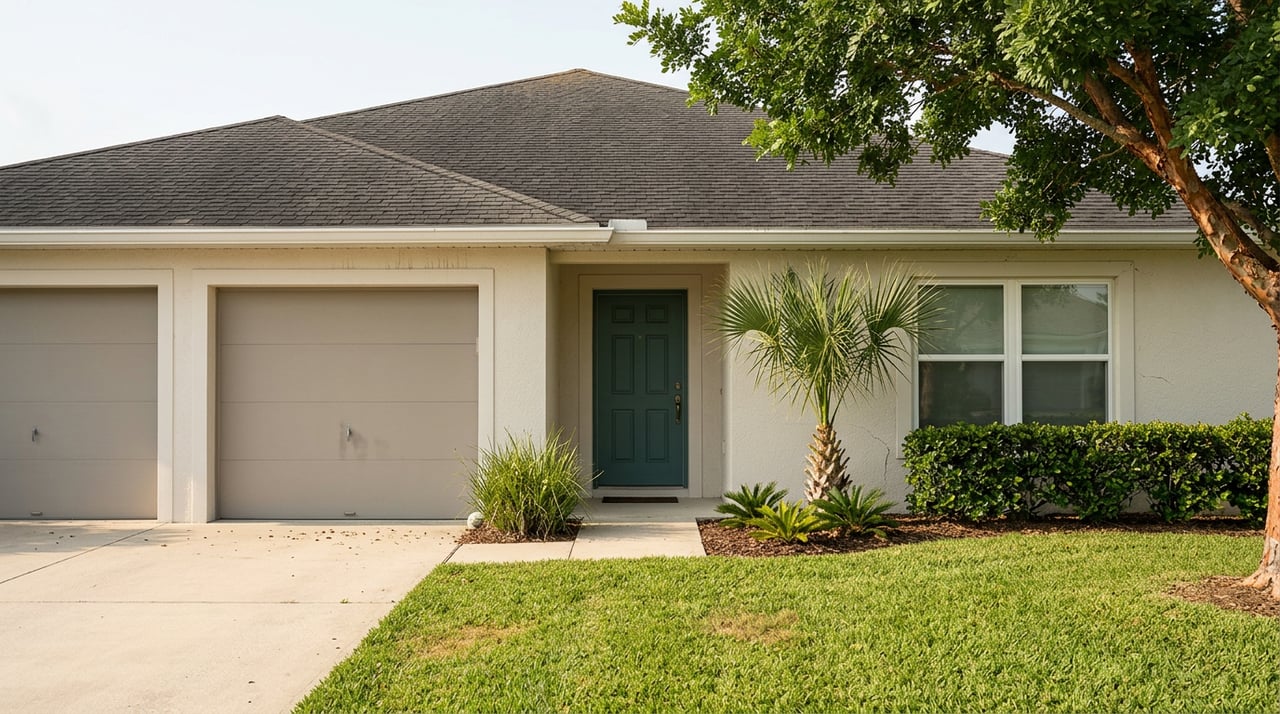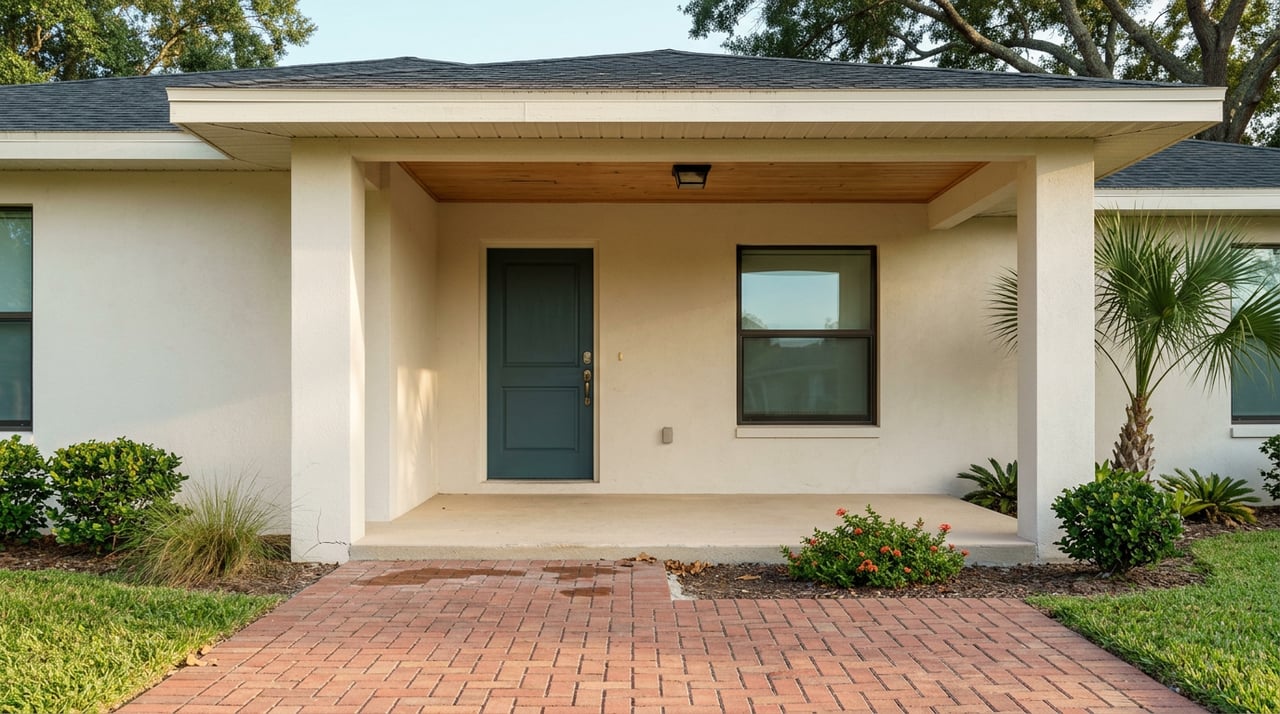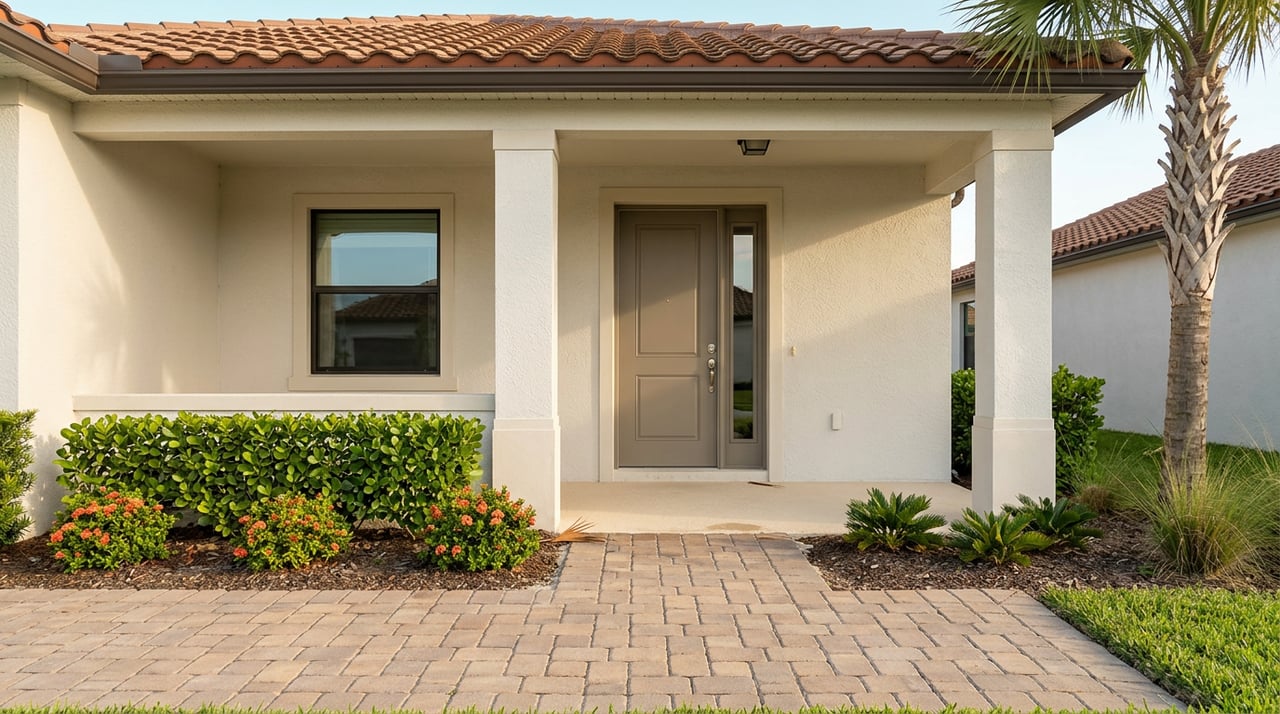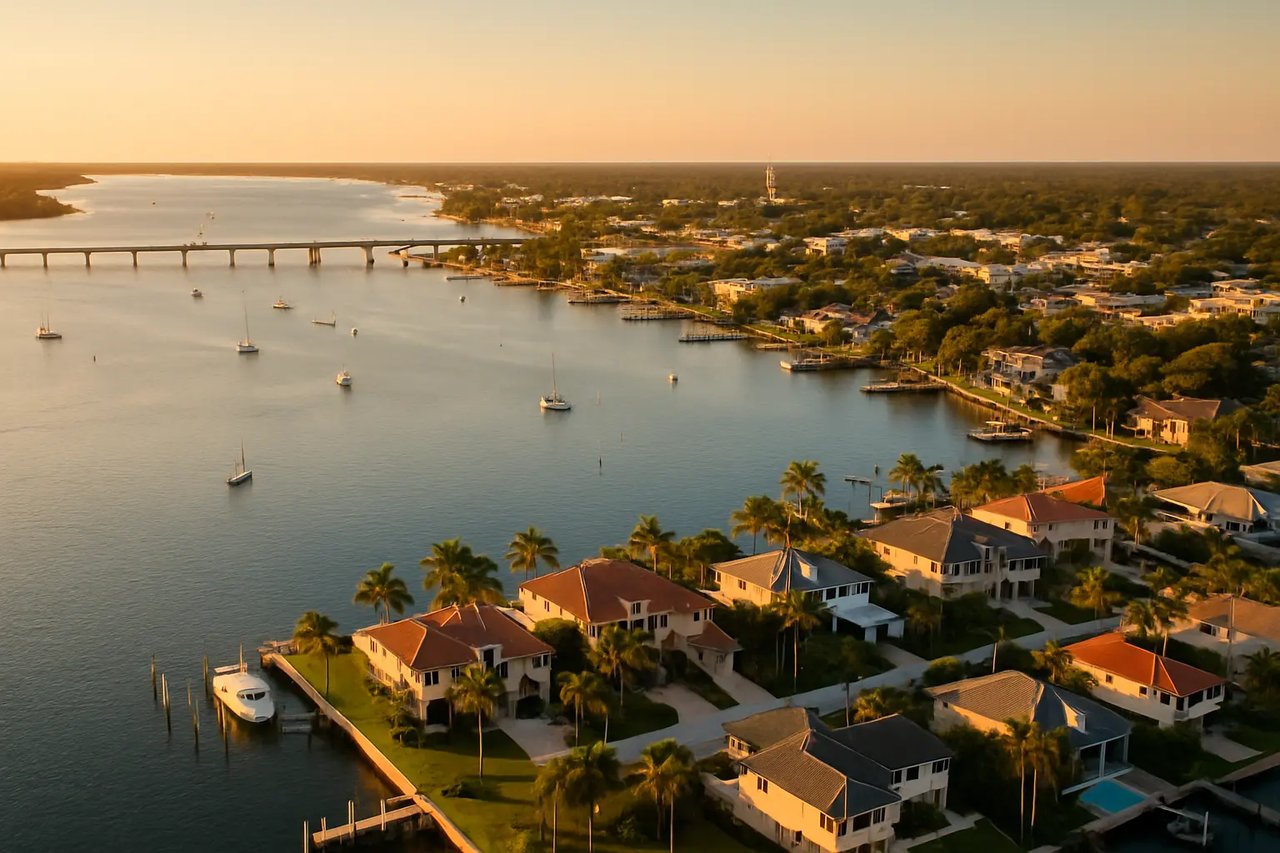
If you are thinking about spending part of the year in Vero Beach, timing and planning matter more than many buyers expect. Seasonal living can feel easy and rewarding, but it works best when you understand the local weather pattern, property options, and the extra details that come with owning a home you may leave unattended for months. This practical overview will help you think through the big decisions, ask smarter questions, and feel more confident about your next step. Let’s dive in.
Why Vero Beach Appeals to Seasonal Owners
Vero Beach fits the lifestyle many part-time Florida buyers want: warm winter weather, a coastal setting, and housing options that can support a lock-and-leave routine. Indian River County also sees a noticeable winter population increase from seasonal residents and tourists, which reflects how common this pattern is locally.
The climate helps explain the appeal. NOAA climate normals for Vero Beach show average January temperatures around 73.3°F for highs and 52.2°F for lows. By contrast, July and August average highs are about 90.5°F to 90.6°F, with warmer nights and much heavier summer rainfall.
For many part-time owners, the most comfortable stretch is late fall through spring. That said, June through November also overlaps with Atlantic hurricane season, so your seasonal plan should account for storm readiness, insurance timing, and how the home will be monitored when you are away.
What Seasonal Living Looks Like in Practice
Seasonal living is not just about buying a property in a warm-weather market. It is about choosing a home that matches how often you will use it, how much upkeep you want, and how comfortably you can manage it from a distance.
Indian River County’s planning documents describe the county as generally low-density, with most development east of I-95. In a market shaped by winter demand, many seasonal buyers tend to focus on homes that are easier to secure and maintain between visits.
That often means looking closely at:
- Condos
- Villas
- Townhomes
- Smaller single-family homes
The right fit depends on how hands-on you want to be. If you plan to come and go often, a lower-maintenance setup may make your ownership experience much simpler.
Best Property Types for Part-Time Use
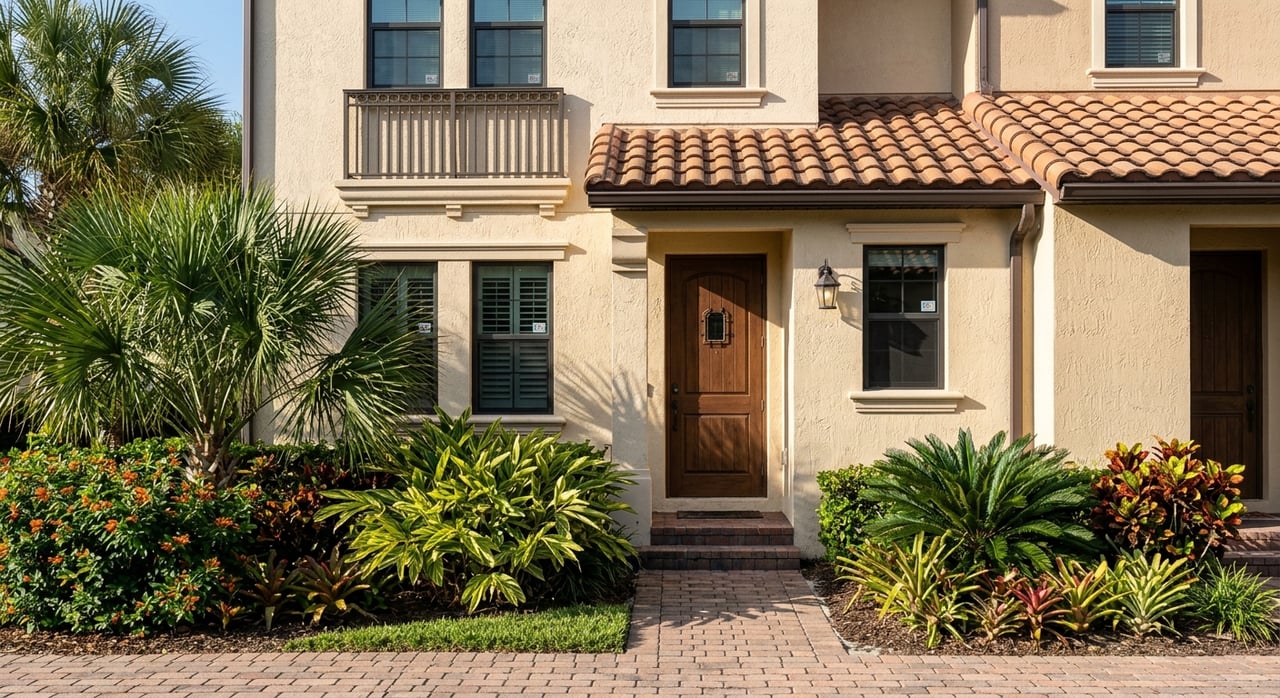
A seasonal home should support convenience, not create extra stress. Many buyers prefer property types where exterior upkeep, landscaping, and storm preparation feel more manageable from afar.
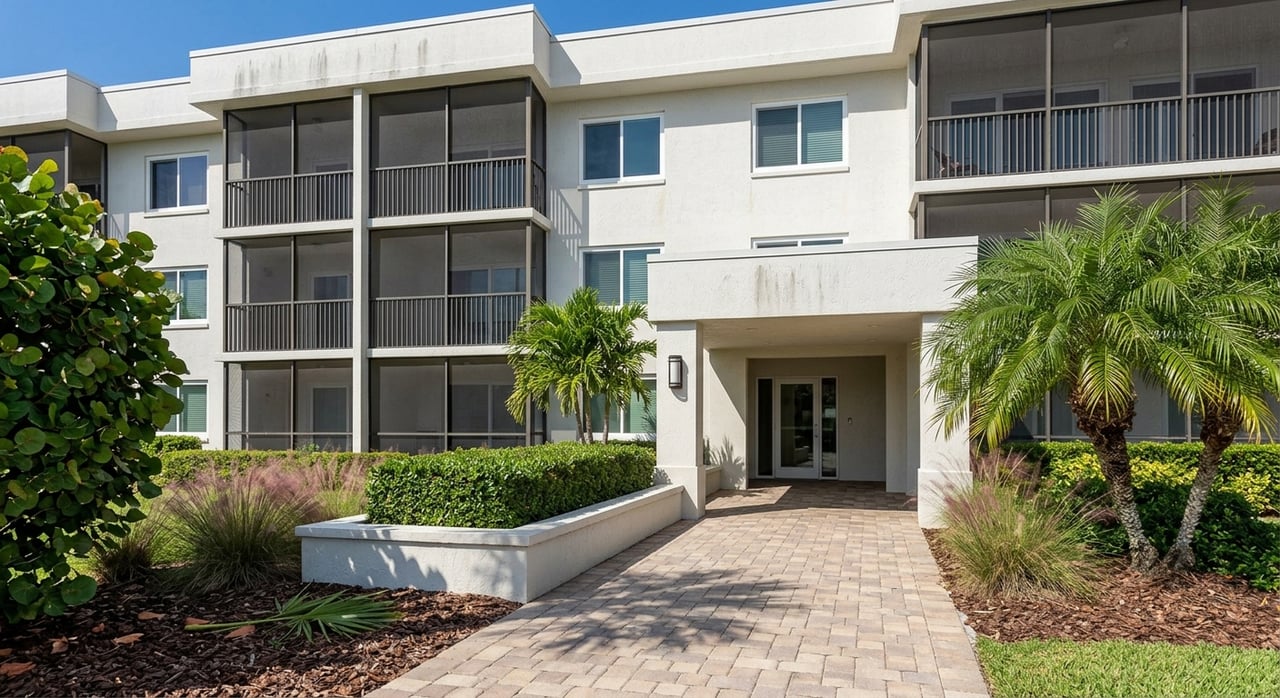
Condos and townhomes can appeal to buyers who want a simpler day-to-day setup. Smaller single-family homes may also work well if the property is easy to secure and does not require extensive maintenance between visits.
Before narrowing your search, think about practical ownership questions such as:
- How much upkeep will the property need when you are gone?
- Will exterior maintenance be your responsibility?
- How easy will it be to prepare the home before a storm?
- If something goes wrong, who can respond quickly?
These questions can help you look past the view or floor plan and focus on how the home will function in real life.
Flood and Storm Risk Matter
In Vero Beach, location-specific risk should be part of your buying process from the start. Indian River County Emergency Management provides flood-zone maps, an evacuation-zone viewer, and related preparedness tools that can help you understand a property’s risk profile.
Before you buy, it is worth confirming whether a home sits in a FEMA flood zone or a storm-surge area. County staff can help determine whether a parcel is in a flood zone, which can be especially useful if you are comparing several homes.
Flood insurance deserves special attention. Indian River County participates in the National Flood Insurance Program, and the county notes a Class 5 CRS rating in unincorporated areas, which currently produces a 25% flood-insurance discount there.
It is also important to understand coverage limits. The county’s disaster guidance notes that standard homeowners and renters policies do not cover rising water, and flood insurance usually takes 30 days to become effective. That means waiting until a storm is approaching is not a good plan.
Condo and HOA Documents to Review
If you are considering a condo or a property with an HOA, document review is one of the most important parts of your due diligence. Florida law requires condo sellers to provide key association documents, including the declaration, bylaws, covenants and restrictions, the estimated operating budget, and other disclosure items.
For a seasonal buyer, the takeaway is simple: read these documents before you buy, not after you move in. Rules that seem minor at first can affect how you use the property throughout the year.
Pay close attention to topics such as:
- Rental rules
- Guest policies
- Pet restrictions
- Parking rules
- Renovation requirements
- Monthly fees
Florida also requires HOA records to be maintained within the state for at least seven years and made available to owners within 10 business days after a written request. That record access can be useful when you want a better picture of the association’s operations and recent decisions.
Building Condition Can Affect Your Budget
For many condo buyers, lifestyle is only part of the equation. Building condition, reserves, and future repair planning can have a direct effect on your costs.
Florida requires milestone inspections for condominium or cooperative buildings that are three habitable stories or more, generally at 30 years and every 10 years after that. In addition, certain older owner-controlled associations must complete a structural integrity reserve study by December 31, 2025.
These requirements can influence reserves, monthly fees, and the possibility of future special assessments. If you are buying for seasonal use, it is wise to ask for the most recent:
- Inspection reports
- Reserve studies
- Association budgets
- Meeting minutes
- Information on major repair projects
This is one of the clearest ways to understand whether a low-maintenance lifestyle will also come with predictable costs.
How to Manage a Seasonal Home From Afar
A part-time home needs a plan for the months when you are not there. The biggest risks are often weather, water, and delayed response if an issue happens while the property is empty.
Indian River County’s emergency management resources include an alert system, flood-zone tools, evacuation information, and preparedness guidance. These tools can help you make better decisions both before and after you buy.
The county’s disaster guide recommends that you:
- Know your flood risk
- Review your insurance carefully
- Inventory your belongings
- Photograph the inside and outside of the home for claims
The Florida Department of State also advises keeping insurance and disaster-recovery contact information readily available and backing up important records off-site or in the cloud. For seasonal owners, that kind of preparation can save time and reduce stress if a storm or other emergency affects the property.
Don’t Overlook Homestead Questions
If you are buying a winter home, it is important to separate a true second home from a primary residence for tax planning purposes. Florida’s homestead exemption is tied to ownership on January 1, with a filing deadline of March 1.
The property appraiser makes the factual determination of whether a home is a permanent residence. If your Vero Beach property will remain a second home, you should budget and plan for it as non-homestead property rather than assume the exemption will apply.
This matters because your long-term costs may look different depending on how you will actually use the property. If your plans could change later, it is smart to ask early what documentation would be needed if the home eventually becomes your primary residence.
Questions to Ask Before You Buy
A seasonal purchase usually goes more smoothly when you ask detailed, practical questions early. That is especially true if you will spend long stretches away from the property.
Use this checklist as a starting point:
- Is the home in a flood zone, storm-surge zone, or evacuation zone?
- What are the current HOA or condo fees?
- Are any major assessments expected?
- Are there recent milestone inspections or reserve studies?
- What major repair projects are underway or being discussed?
- What are the rules for rentals, guests, pets, parking, and renovations?
- Who will check the property, secure it before storms, and assist after an emergency?
- If the home later becomes your primary residence, what would be needed for homestead exemption review?
These questions can help you compare homes more clearly and avoid surprises after closing.
A Smarter Way to Plan Seasonal Living
Seasonal living in Vero Beach can be enjoyable, practical, and rewarding when your home choice matches your routine. The best decision is not always the one with the flashiest features. It is the one that fits your travel schedule, comfort level, maintenance expectations, and long-term budget.
When you look at Vero Beach through that lens, the path becomes clearer. You can focus on weather patterns, flood and storm considerations, association rules, building condition, and the everyday logistics of owning from afar.
If you want a local, practical perspective as you weigh your options on Florida’s coast, Donna Cardinale offers the kind of personal guidance and concierge-level support that can help you move forward with confidence.
FAQs
What is the best time of year for seasonal living in Vero Beach?
- For many part-time owners, late fall through spring is the most comfortable period because winter temperatures are milder and summer is hotter, wetter, and overlaps with hurricane season.
What property types work best for seasonal living in Vero Beach?
- Many seasonal buyers look at condos, villas, townhomes, or smaller single-family homes because they may be easier to maintain, secure, and manage from a distance.
What should buyers check about flood risk in Vero Beach?
- You should confirm whether the property is in a flood zone, storm-surge zone, or evacuation zone and review flood insurance needs early, since standard homeowners coverage does not cover rising water and flood insurance usually takes 30 days to become effective.
What condo documents should seasonal buyers review in Florida?
- Buyers should review the declaration, bylaws, covenants and restrictions, estimated operating budget, and other seller-provided disclosure items before buying so they understand costs, rules, and ownership obligations.
Why do milestone inspections matter for Vero Beach condo buyers?
- For many buildings that are three habitable stories or more, milestone inspections and reserve requirements can affect monthly fees, reserves, repair planning, and the chance of future special assessments.
How should you prepare to manage a seasonal home from afar in Vero Beach?
- You should know the property’s flood risk, review insurance carefully, keep records and contact information accessible, inventory belongings, photograph the home for claims, and have a plan for someone to check and secure the property when you are away.