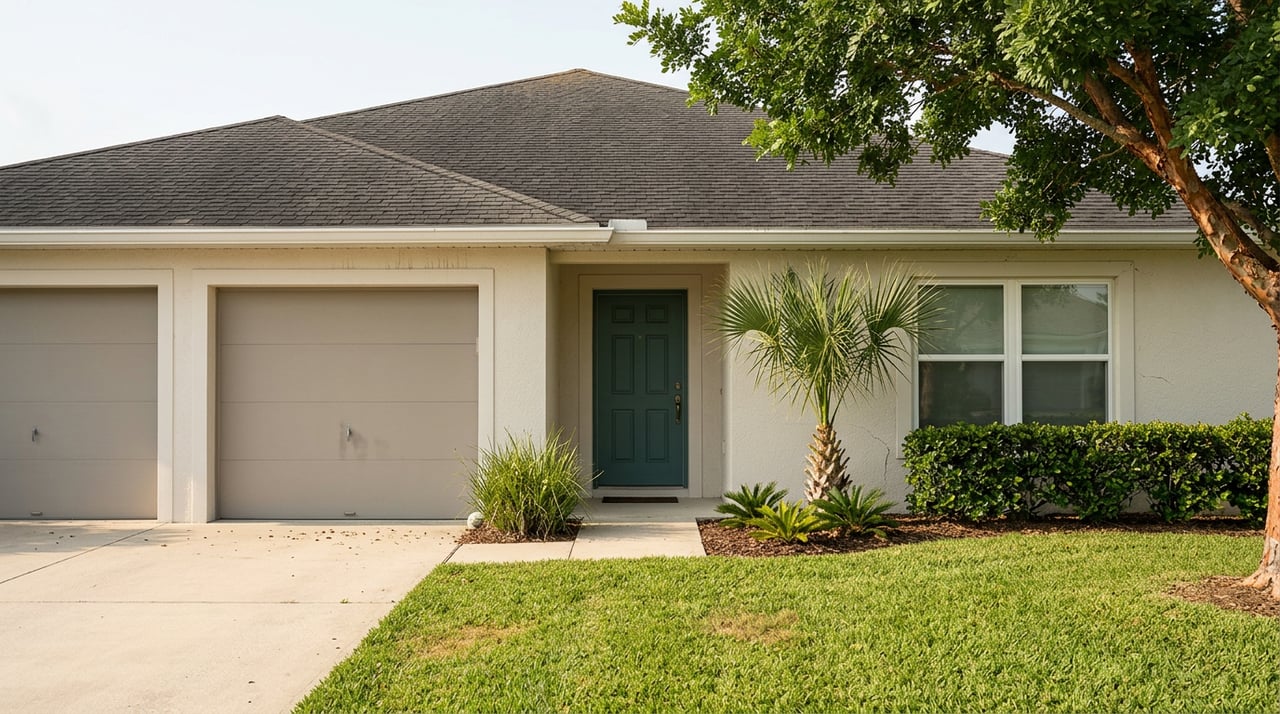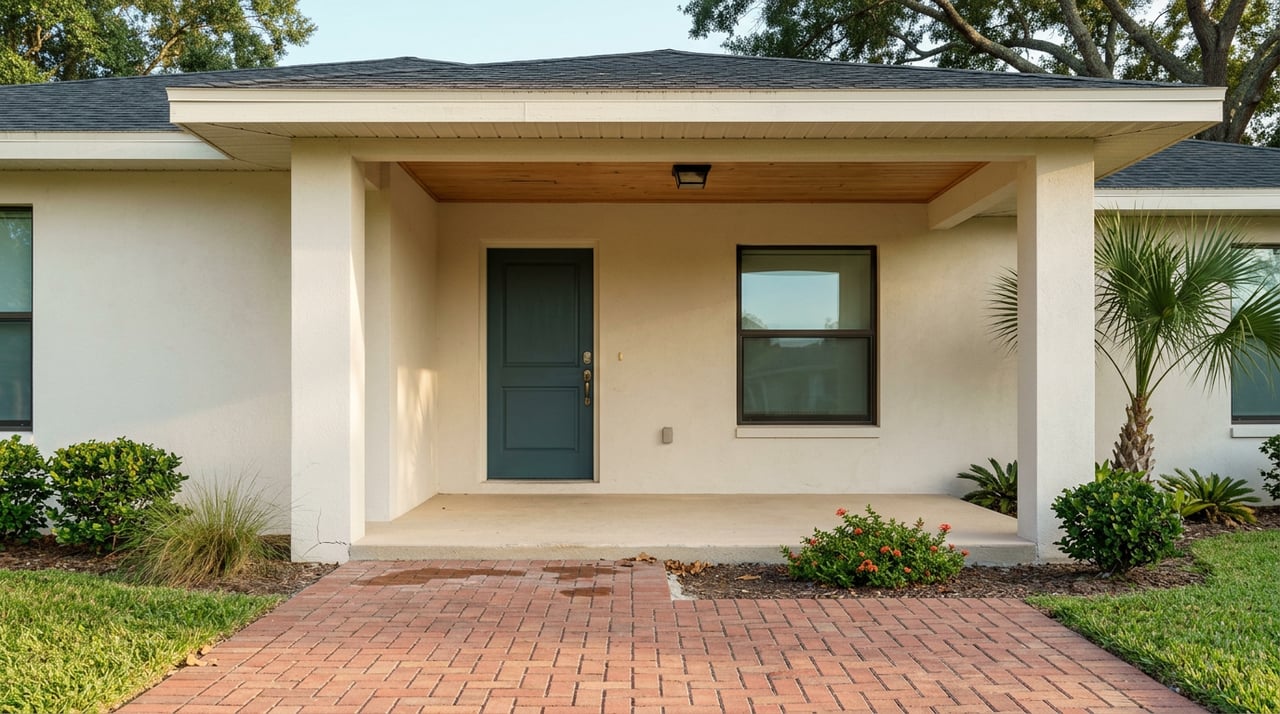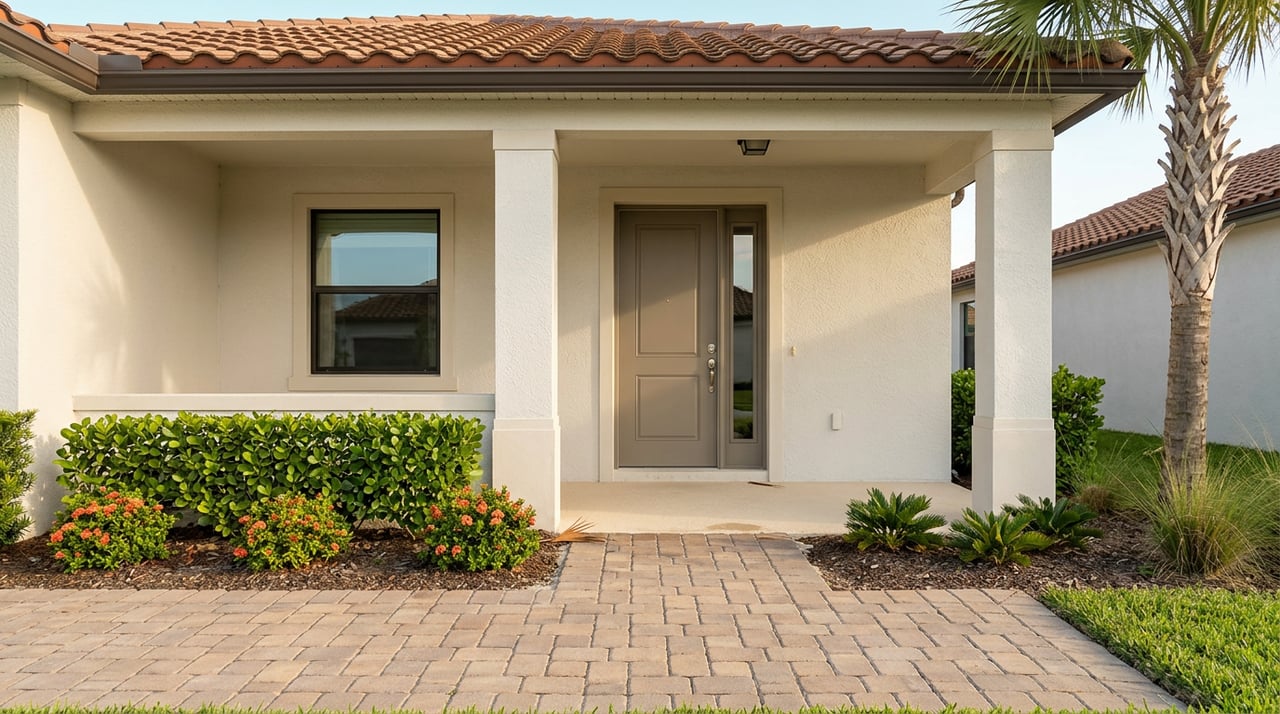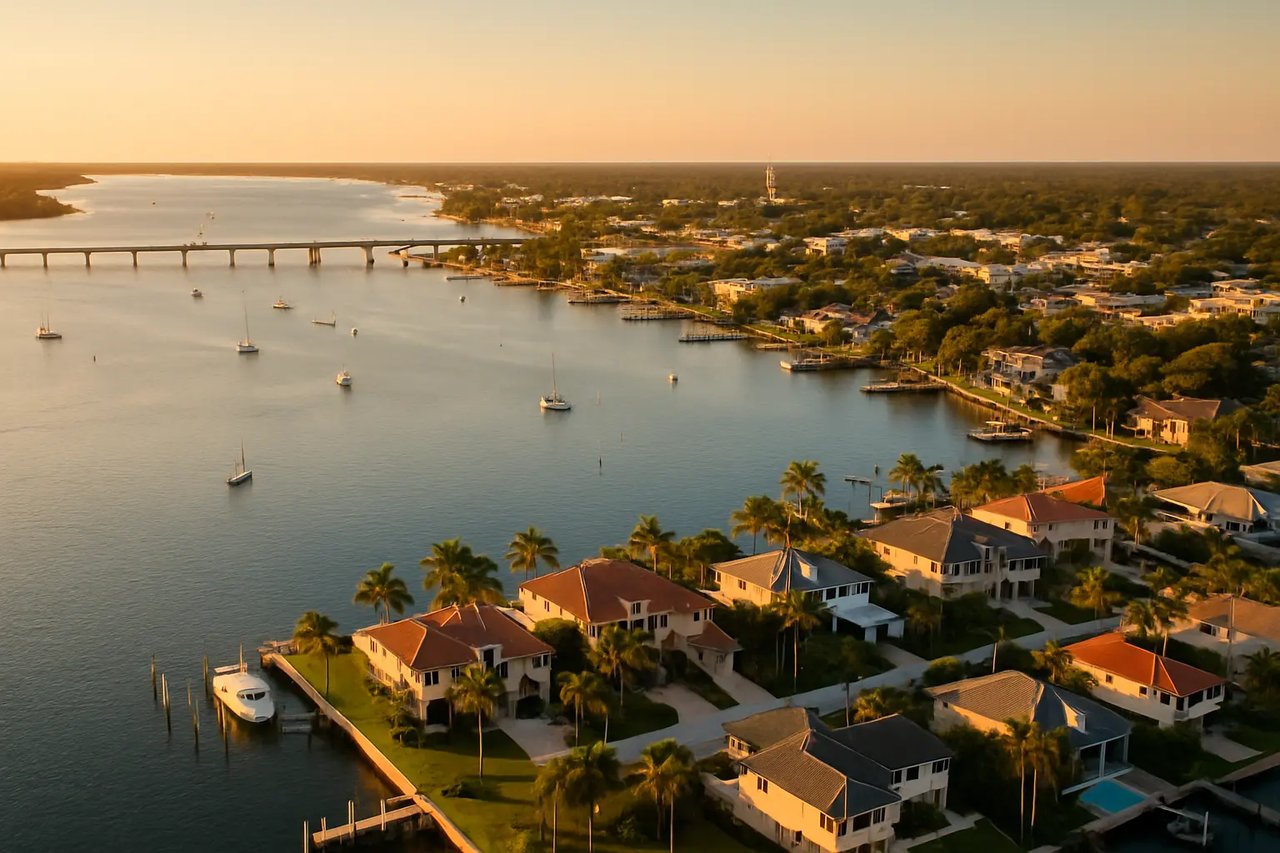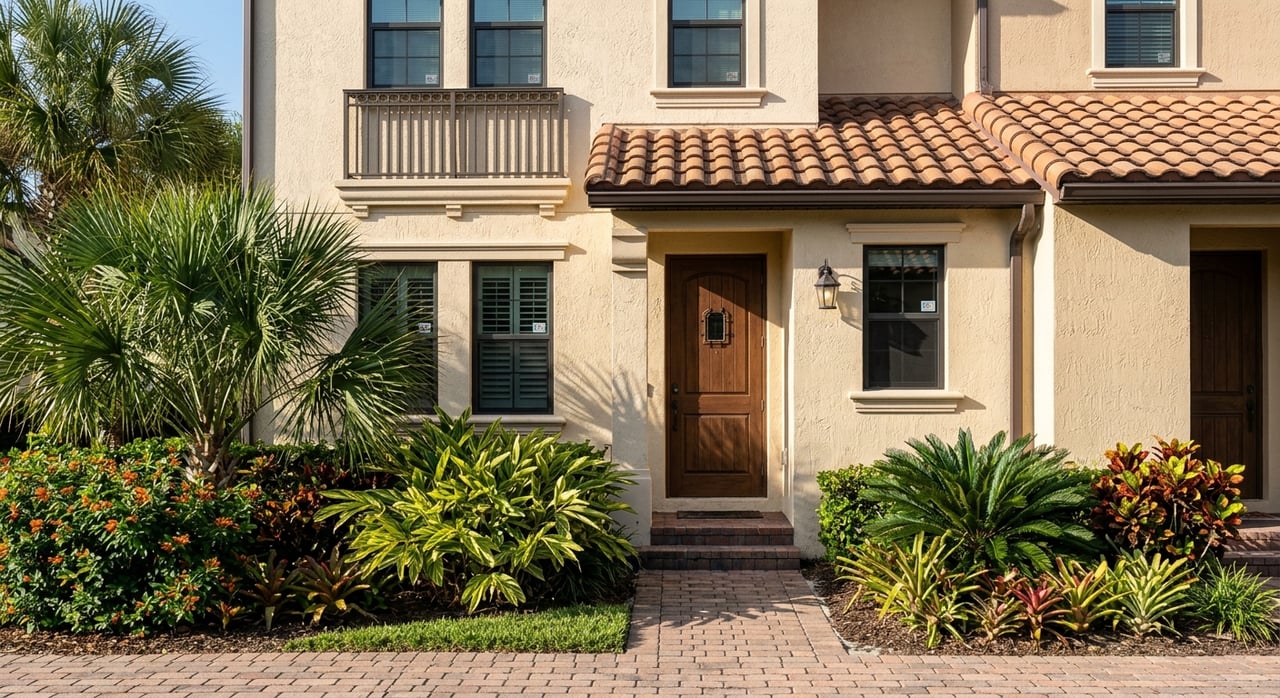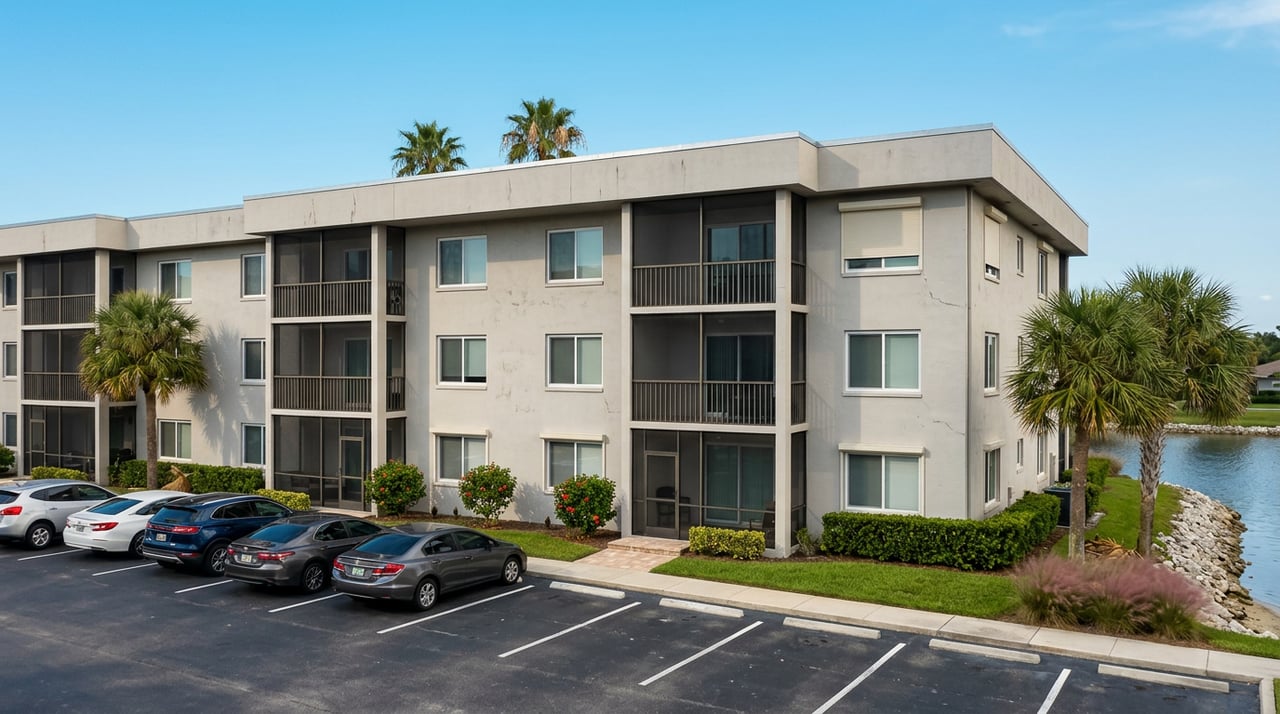
Looking for a Florida market where the math actually works? Port St. Lucie blends steady population growth with healthy rental demand, so you can pencil out real returns without guessing. In this guide, you’ll see current rents and prices, a worked cap-rate example, short-term versus long-term tradeoffs, and the neighborhoods to watch. Let’s dive in.
Why Port St. Lucie stands out
Port St. Lucie is one of Florida’s fastest-growing cities. DataUSA estimates the 2023 population at about 220,453, with multi‑percent annual growth in recent years, which supports both buyer and renter demand (DataUSA).
Growth is not happening by accident. The city continues to expand healthcare and commercial hubs, with significant master‑planned activity in western corridors and Southern Grove. City economic development pages outline ongoing projects that add jobs, services, and daily traffic to local retail and hospitality nodes (City of Port St. Lucie).
The tenant base is diverse and includes families, workforce renters, retirees, and seasonal visitors. That mix supports long‑term leases and, in the right locations and communities, selective short‑term rental opportunities.
What rents and prices look like right now
- Typical rent: Zillow’s Rental Manager dashboard (February 2026) shows an average monthly rent around $2,627 across property types. It also reports bedroom‑level averages, with 3‑bedroom homes near $2,600. Apartments often price somewhat lower than single‑family homes.
- Typical purchase price: Recent MLS aggregator snapshots placed the citywide median sale price in the low to mid $400Ks. For this analysis, we’ll use a $400,000 baseline based on a January 2026 snapshot.
Quick screening math (gross yield)
- Annual rent at the $2,627 average: $2,627 × 12 = $31,524.
- Gross yield using a $400,000 price: $31,524 ÷ $400,000 = 7.9% gross.
- Sensitivity using a $425,000 price: $31,524 ÷ $425,000 = 7.4% gross.
Gross yield is a fast screen. Your actual return depends on taxes, insurance, management, maintenance, and vacancy.
A simple net cap example (single‑family rental)
Here is a transparent, conservative pro‑forma based on public inputs. Adjust each line item to your target property.
- Annual collected rent: $31,524 (Zillow average, Feb 2026)
- Property taxes: about 0.93% of value. Example: 0.93% × $400,000 = $3,720 (PropertyTaxByState)
- Insurance: elevated statewide. Use $3,500 as a planning figure, noting volatility in recent years (Insurance Journal)
- Property management (long‑term): 10% of collected rent = $3,152 (DoorLoop)
- Maintenance and capital reserve: 8% of rent = $2,522
- Vacancy and turnover allowance: 5% of rent = $1,576
Total expenses (baseline): ≈ $14,470 Net Operating Income (NOI): $31,524 − $14,470 = $17,054 Net cap rate: $17,054 ÷ $400,000 = about 4.3%
Interpretation: With conservative Florida assumptions, long‑term single‑family rentals in Port St. Lucie commonly underwrite to a net cap in the low to mid single digits. Sourcing below‑market prices, achieving above‑average rent, or optimizing insurance can move the needle.
Sensitivity snapshot
This quick view shows how small changes affect returns. Assumptions scale variable costs with rent (management, vacancy, maintenance) and adjust property taxes with price.
| Scenario | Rent | Price | Est. NOI | Est. Cap |
|---|---|---|---|---|
| Baseline | $31,524 | $400,000 | $17,054 | 4.3% |
| Rent +10% | $34,676 | $400,000 | $19,480 | 4.9% |
| Rent −10% | $28,371 | $400,000 | $14,625 | 3.7% |
| Price +10% | $31,524 | $440,000 | $16,682 | 3.8% |
| Price −10% | $31,524 | $360,000 | $17,426 | 4.8% |
Use local comps and parcel‑level tax data to refine each address. Even small differences in taxes, insurance, and HOA/CDD fees can materially change your outcome.
Short‑term vs long‑term: what works here
Short‑term rentals can produce higher gross revenue, but they require more operating intensity. Long‑term rentals are simpler and steadier. Here is how Port St. Lucie stacks up.
Short‑term rental snapshot
- Revenue potential: A recent Airbtics sample shows about 63% occupancy, $175 ADR, and roughly $40,000 average annual revenue in the study period, which equates to around a 10% gross yield on a $400,000 purchase (Airbtics).
- Costs to expect: Professional STR management often runs 20–30% of gross, plus platform fees, cleaning, linens, utilities, and higher maintenance. Insurance may also be higher. After these items, net yields compress unless your occupancy and ADR outperform.
- Licensing and taxes: Florida’s DBPR requires vacation‑rental licensing for many STRs (Chapter 509). Always confirm licensing and registration steps before marketing an STR (DBPR guide). You are typically responsible for collecting and remitting state sales tax and applicable county tourist development taxes.
- City and HOA rules: City rules can change, and HOA or condo bylaws often set the real limit on minimum stays and STR activity. Verify both before you buy (STR regulations overview).
Long‑term rental snapshot
- Demand: Local reporting places Port St. Lucie among Florida’s stronger rental markets, with high occupancy on the Treasure Coast and relatively few vacant days in recent periods. Expect low‑single‑digit effective vacancy in many submarkets if you price and maintain well (Treasure Coast rental overview).
- Operations: Management fees are typically 8–12% of collected rent, with tenant‑paid utilities in many single‑family leases. Maintenance is steadier and turnover is lower than in STRs (DoorLoop).
Bottom line: STR can outperform when occupancy, ADR, and costs align and when rules allow it. Long‑term SFRs often deliver simpler, steadier cash flow with fewer moving parts.
Neighborhoods and micro‑markets to watch
- Tradition. A large, master‑planned district with a town center, retail, and major medical facilities nearby. Newer product and strong amenities support rent and resale.
- St. Lucie West. Mixed residential and commercial hub with convenient access to shops and employers. Often prices below the newest Tradition phases while capturing broad renter interest.
- PGA Village and Verano. Golf‑oriented and resort‑style communities that attract seasonal visitors and second‑home demand. Always confirm HOA leasing rules in detail before underwriting.
- Southern Grove, Riverland, and Wilson Grove. Large tracts and job‑corridor projects in the city’s long‑term pipeline. Track road and infrastructure timelines for early positioning (City of Port St. Lucie).
Key risks and how to underwrite them
- Insurance volatility. Florida premiums have risen in recent years and vary widely by age, roof, and location. Get quotes early and plan conservatively (Insurance Journal).
- Property taxes and special districts. Verify the parcel’s TRIM notice, millage, and whether CDD or other assessments apply. A few basis points can move your cap rate (St. Lucie County TRIM overview). For quick statewide context on effective rates, see county comparisons (PropertyTaxByState).
- Vacancy assumptions. Recent Treasure Coast reporting points to strong occupancy, but performance varies by micro‑location, property condition, and pricing. Underwrite a realistic turnover allowance and test comps within a one‑mile radius (Treasure Coast rental overview).
- Rules and leasing limits. If you are considering STR, confirm DBPR licensing, HOA bylaws, and any city guidance. For long‑term rentals, review HOA lease minimums and approval processes.
How to get started (a simple plan)
- Define your buy box. Target a price band, property type, and submarket where the rent‑to‑price ratio supports your goals.
- Pull live comps. Use recent neighborhood leases and sales, not citywide averages, to set your rent and price assumptions.
- Build a pro‑forma. Include parcel‑level taxes, real insurance quotes, HOA/CDD fees, management, maintenance, and a vacancy reserve.
- Pressure test. Run ±10% cases on rent and price. If the deal still works, you have a stronger plan.
- Confirm rules. For any property with short‑term potential, verify DBPR licensing steps and HOA minimum stays in writing.
- Walk the block. Check noise, traffic, flood maps, and drive‑time to job nodes or amenities that matter to your renter profile.
Ready to pinpoint the best opportunities for your goals and risk tolerance? Reach out to schedule a local, data‑driven consultation with Donna Cardinale for on‑the‑ground comps, neighborhood guidance, and a clear acquisition plan.
FAQs
What cap rates can a typical Port St. Lucie single‑family rental produce?
- With conservative Florida expenses, many SFRs underwrite to about 3.5% to 5.5% net caps, depending on purchase price, rent achieved, taxes, insurance, and HOA/CDD costs.
Are short‑term rentals legal in Port St. Lucie?
- Florida’s DBPR often requires a vacation‑rental license, and HOA or condo bylaws can restrict minimum stays; confirm DBPR rules and community documents before you buy.
What are typical monthly rents in Port St. Lucie right now?
- Zillow’s February 2026 dashboard shows an average around $2,627 across property types, with 3‑bedroom homes near $2,600; apartments often price somewhat lower.
Which Port St. Lucie areas should investors watch first?
- Tradition, St. Lucie West, PGA Village/Verano, and the Southern Grove corridor are key micro‑markets; confirm HOA rules and compare rent comps within each.
How should I estimate property taxes for an investment purchase?
- Start with an effective rate near 0.9% to 1.0% for a quick screen, then use the St. Lucie County TRIM tools to calculate parcel‑specific taxes and any special assessments.
How high are Florida insurance costs for investors today?
- Premiums vary by age, roof, and location, but many investors plan for $3,000 to $4,500 per year for SFRs; get quotes early and budget a cushion given recent volatility.