Should you go for the shine of a brand‑new build or the character and convenience of a resale home? In Port St. Lucie, where the median price has hovered around the mid‑$390s to low‑$400s in recent years, you have real choices across both paths. If you want clarity on total costs, timelines, and resale potential, you’re in the right place. This guide breaks down what new construction and resale homes offer in Port St. Lucie so you can move forward with confidence. Let’s dive in.
Port St. Lucie market snapshot
Port St. Lucie buyers regularly compare builder inventory with resales in established neighborhoods. The city has multiple master‑planned communities and a steady flow of quick‑move and to‑be‑built options, which means you can often choose between immediate occupancy or a made‑to‑order timeline. You can review active new‑home communities and inventory on the regional new‑homes marketplace for Port St. Lucie to gauge supply and current offerings. The mix of new and resale listings can also influence negotiation power and near‑term price trends.
- Explore active communities and inventory on the Port St. Lucie new‑homes marketplace snapshot: see current communities and quick‑move options.
New construction: what you get
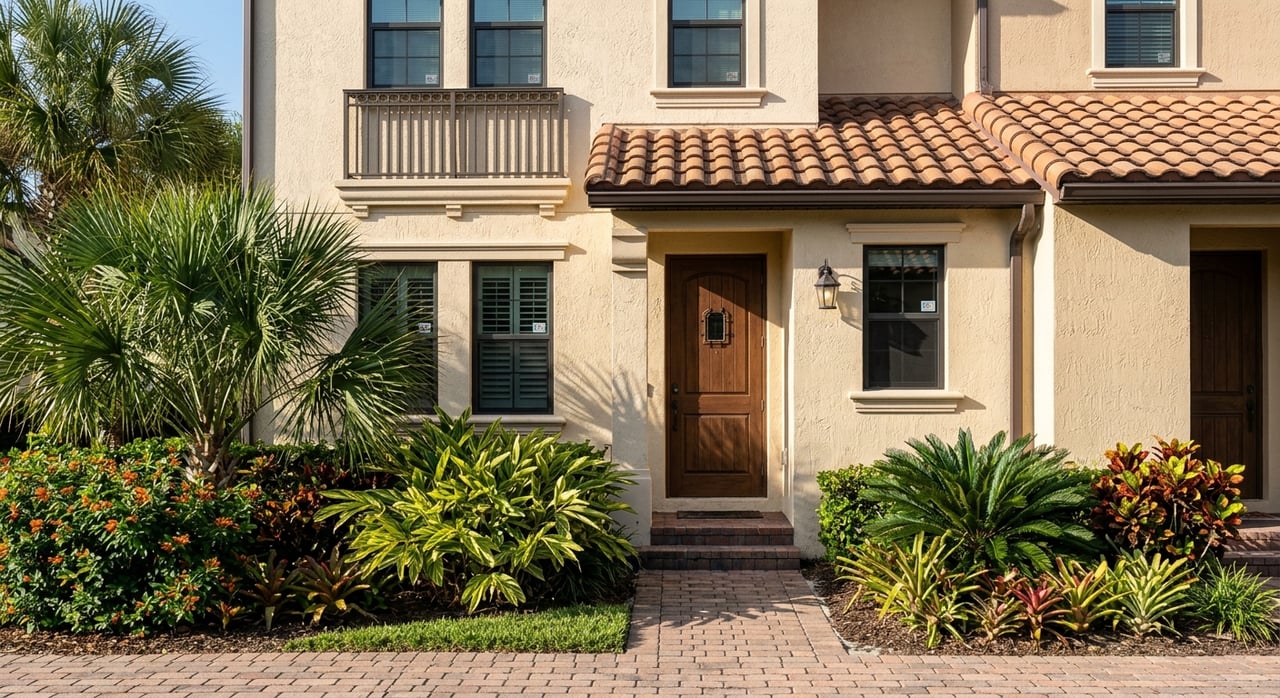
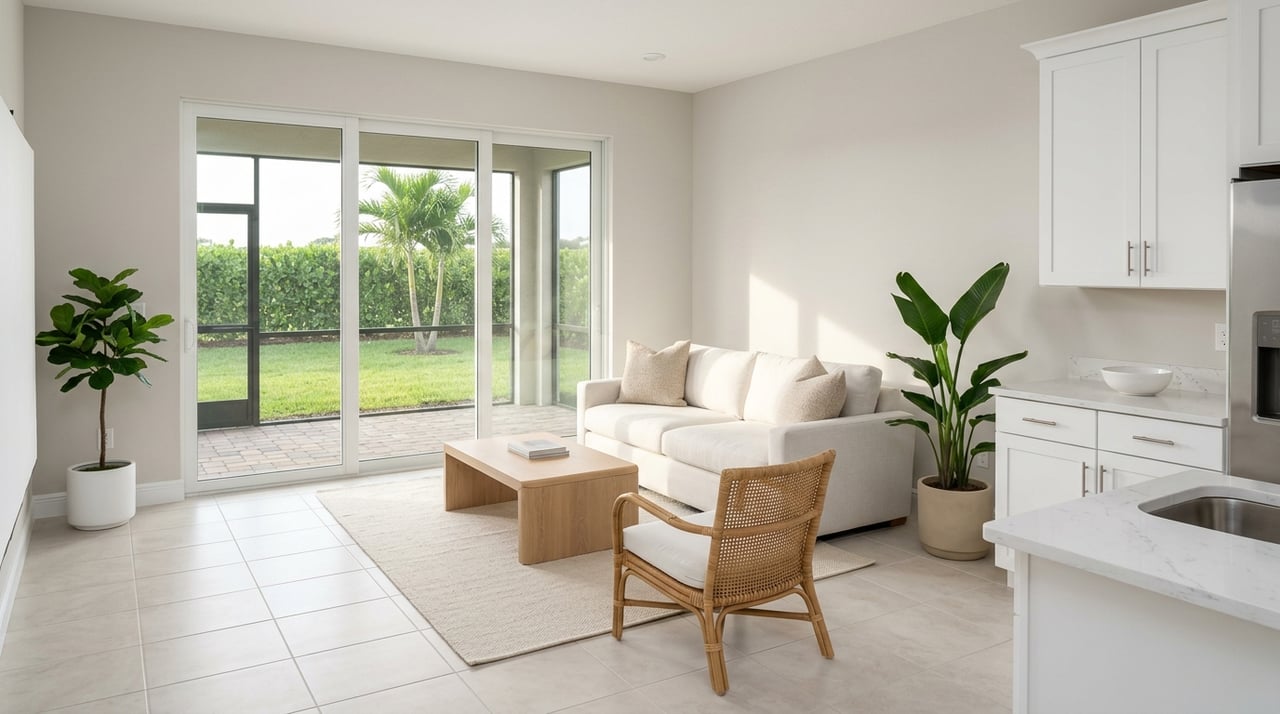
New homes in Port St. Lucie come in a range of styles, from townhomes and family‑friendly villages to golf and country‑club living. You’ll find options in Tradition, Wylder, Central Park, and golf‑oriented enclaves.
Builders and communities to know
- Tradition villages, including 55+ and all‑ages options such as Esplanade at Tradition.
- Wylder, including Brystol at Wylder, which features planned amenities and multiple builder collections.
- Central Park, where builders like D.R. Horton offer townhomes and single‑family models. See an example at Central Park Townhomes.
- Astor Creek Golf & Country Club, a higher‑end golf community with clubhouse amenities. Read about its opening in this community announcement.
Prices and incentives
Many local new‑home communities advertise base prices that often run from the mid‑$300ks through the $400ks, with golf and luxury product lines priced higher. Check each community’s current price sheet and any quick‑move inventory for accurate, up‑to‑date numbers. Builders frequently offer incentives such as flex cash, closing‑cost help, rate buydowns, or upgrade credits, especially when using a preferred lender. Always verify any promotion in writing and compare the net cost, not just the headline offer.
Build times and move‑in speed
You typically have two paths:
- Quick‑move or spec homes that can close in weeks to a few months.
- To‑be‑built homes with design choices and a longer schedule. Production build times often run about 4 to 9 months from start to completion, while custom or complex builds can take longer. For a general overview of timelines and how they differ by build stage, review this new‑construction timeline resource.
Warranties and Florida law
Most production builders provide staged coverage often described as 1 year for workmanship and materials, 2 years for major systems, and a longer structural warranty. For a plain‑English explainer of the common 1/2/10 format, read this warranty overview. Florida also updated its construction‑defect law in 2023 through SB 360, which shortened the window for certain claims. That statutory timeline is separate from any builder warranty. You can learn more about the change in this legal summary of Florida’s SB 360.
Resale homes: what you get
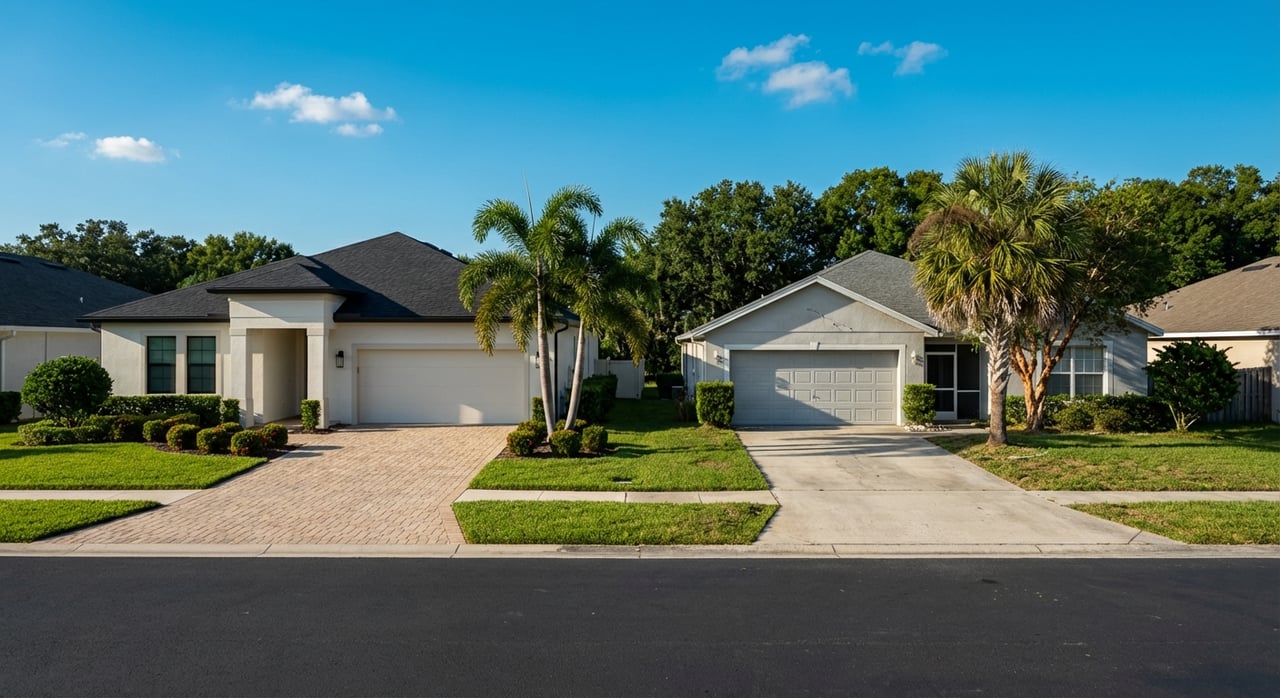
Resale homes in Port St. Lucie often sit in established areas like St. Lucie West, the Tradition core, and older subdivisions. These neighborhoods offer mature landscaping, finished streetscapes, and a variety of lot types. Many resales are move‑in ready and can offer more room to negotiate on price, credits, or closing costs depending on current market conditions.
Location and lot variety
If you value a finished community setting, established neighborhoods can feel more settled than a new phase still under construction. You may find larger yards, corner lots, or locations closer to existing shopping and services. Always compare the specific address and drive the area at different times of day.
Inspections and condition
With resales, you should plan for a full home inspection and a termite/wood‑destroying insect inspection. In Florida, older homes may also require wind‑mitigation and 4‑point inspections for insurance underwriting. Even for new construction, a pre‑drywall and a final inspection by an independent professional can protect your investment.
Negotiating and timing
Typical resale transactions with financing close in about 30 to 60 days, while cash can be quicker. Builders may be firm on list price but often grant structured concessions, and resale sellers may negotiate on price or credits depending on days on market and motivation. If you have a strict move date, weigh a quick‑move new build against a clean, well‑documented resale that can close on your schedule.
HOA, CDD, taxes and insurance
Understanding monthly and annual obligations is key to a true apples‑to‑apples comparison.
HOA fees and amenities
HOA dues vary widely by community and amenity package. Fees can include items like lawn care, irrigation, internet or cable, and staffed amenities. Always review the HOA declaration, current budget, and reserve study to see what is included and how dues may change over time.
CDD assessments in St. Lucie
Many master‑planned neighborhoods use Community Development Districts to finance infrastructure. CDD assessments usually appear as non‑ad valorem lines on your annual property‑tax bill and can persist for many years. For background on how non‑ad valorem assessments work locally, see the St. Lucie West Services District’s overview of assessments and district operations. To verify a specific property’s assessments, use the county’s TRIM notice and tax tools described on the City’s TRIM and property‑tax FAQ.
Property taxes and homestead
Florida’s homestead exemption can reduce taxable value by up to $50,000 in typical cases, and Save Our Homes rules may limit annual increases for primary residences. Deadlines and eligibility are administered by the county property appraiser. Review the state’s homestead exemption guidance and check parcel‑level estimates with the St. Lucie County property appraiser.
Insurance and flood checks
Insurance costs matter for both new and resale homes. Flood risk in Florida is parcel‑specific, and lenders require flood insurance for properties in high‑risk zones. Before you write an offer, confirm the flood zone on FEMA’s Flood Map Service Center and get quotes for both homeowners and flood policies.
Which is better for you?
- Choose new construction if you want modern layouts, lower initial maintenance, and the protection of a builder warranty. Quick‑move inventory can satisfy urgent timelines while still delivering a fresh, never‑lived‑in home.
- Choose resale if you prefer established neighborhoods, mature landscaping, and the potential to negotiate value. Resales can also offer more lot variety and immediate occupancy.
Your best fit depends on your move date, budget, tolerance for construction timelines, and the specific community costs, including HOA and any CDD assessments. In a city with both active new‑build supply and desirable established areas, comparing the total monthly cost and the community feel side by side will lead to the right choice.
Buyer checklist for Port St. Lucie
- Get the HOA declaration, current budget, and reserve study. Confirm what dues cover, such as lawn, irrigation, internet, cable, and amenity staffing.
- Verify taxes and assessments. Use the county’s TRIM notice and property records described in the City’s TRIM and property‑tax FAQ to find any non‑ad valorem or CDD lines.
- For communities with CDDs, ask the district manager for the adopted budget and debt‑service schedule so you know the long‑term obligation. The St. Lucie West Services District’s overview explains how these appear on tax bills.
- For new construction, ask the sales rep for the build or closing timeline, a list of standard vs. upgrade items, current incentives and lender conditions, and full warranty documents. Review coverage against a common 1/2/10 warranty framework.
- Schedule inspections. Order pre‑drywall and final inspections for new builds, and a full home inspection plus termite, wind‑mitigation, and 4‑point reports for resales.
- Check flood zone and insurance. Confirm the lot’s flood zone on FEMA’s Flood Map Service Center and get insurance quotes before you finalize your budget.
Ready to compare specific homes and communities in Port St. Lucie side by side? Let’s map your timeline, budget, and wish list to the right neighborhoods and builders. Reach out to Donna Cardinale for local, concierge‑level guidance tailored to your move.
FAQs
What is the typical timeline difference between new construction and resales in Port St. Lucie?
- New builds often take about 4 to 9 months once construction begins, while quick‑move homes can close in weeks. Resale closings with financing usually run 30 to 60 days.
How do HOA and CDD costs affect monthly payments?
- HOA dues and any CDD assessments add to your monthly or annual housing costs. Review the HOA budget and confirm CDD lines on the tax bill so you compare total monthly obligations, not just principal and interest.
Do new homes come with warranties, and what do they cover?
- Most production builders offer staged coverage commonly summarized as 1 year for workmanship and materials, 2 years for systems, and a longer structural warranty. Always read the actual warranty booklet for coverage and exclusions.
What inspections should I order for Florida resales and new builds?
- For resales, plan a full home inspection plus termite, wind‑mitigation, and 4‑point reports if required for insurance. For new construction, schedule a pre‑drywall inspection and a final inspection by an independent inspector.
Which has better resale value in Port St. Lucie, new or resale homes?
- It depends on location, amenities, lot quality, supply in the community, builder reputation, and carrying costs like HOA and CDD. Established areas with limited new supply may hold value differently than neighborhoods with many new deliveries at once.